Luxor the magical city of pharaohs
Luxor, Egypt, is a captivating city that seamlessly blends ancient history with modern allure. Known as the “world’s greatest open-air museum,” a Luxor city tour offers a wealth of attractions for travelers of all interests. Below are some compelling reasons why Luxor should be high on your travel list, along with the top things to do and see in the city during your Luxor city tour.
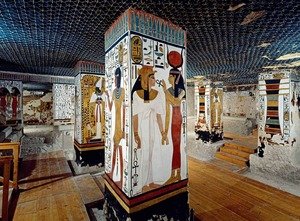
One of the main draws of Luxor is its ancient Egyptian sites. The Valley of the Kings and the Valley of the Queens on the West Bank of the Nile River are fascinating places to explore. Descend into the intricately decorated tombs and discover the secrets of ancient Egyptian beliefs about the afterlife. Luxor Temple, located in the city center, is a magnificent ancient temple dedicated to the Theban Triad. Its colossal statues, towering obelisks, and well-preserved hieroglyphics are especially impressive when illuminated at night. Nearby, the Karnak Temple complex is a sprawling site of worship that spans over 2,000 years of history. The Hypostyle Hall and the Great Temple of Amun-Ra are must-see highlights.
To appreciate Luxor’s archaeological treasures from a different perspective, take a hot air balloon ride at sunrise. Soaring above the landscape, you’ll witness breathtaking views of the Nile River, the Valley of the Kings, and the desert. For a deeper understanding of Luxor’s ancient past, visit the Luxor Museum. Its collection of artifacts, including statues, jewelry, and royal mummies, provides valuable insights into ancient Egyptian civilization. A traditional felucca boat ride along the Nile River is a relaxing and scenic experience, especially when part of a luxury Egypt tour that tailors your experience to your preferences. Enjoy the picturesque views of Luxor’s waterfront, lush greenery, and traditional villages. To immerse yourself in the local culture, explore the bustling markets of Luxor. The Luxor Souq is a vibrant maze of narrow streets filled with shops selling spices, textiles, handicrafts, and souvenirs.
It’s a destination that should not be missed on any traveler’s itinerary and makes a great place to visit on an Egypt honeymoon tour.
What to See in Luxor, Egypt
Top Attractions in Luxor
The Valley of the Kings
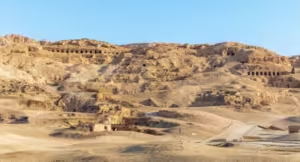
The Valley of the Kings, located near Luxor in Egypt on the west bank of the Nile River, is one of the most renowned burial sites in history and is one of the top places to see in Luxor. It holds immense significance as the final resting place of many pharaohs and powerful nobles from the New Kingdom period of ancient Egypt, dating back to around 1550 to 1070 BCE. This ancient necropolis, carved into the desert cliffs, offers visitors a captivating glimpse into the grandeur and mysteries of Egypt’s past. One of the most fascinating things to do in Luxor is to visit the Valley of the Kings. Visitors to the Valley of the Kings can expect a remarkable journey through time as they explore the royal tombs and marvel at the elaborate funerary art and architecture. While the valley contains over 60 known tombs, not all are open to the public at any given time. However, there are several must-see tombs that showcase the historical importance and unique features of this ancient Egyptian tomb.
Tomb of Tutankhamun (KV62)
The discovery of Tutankhamun’s tomb by Howard Carter in 1922, was a momentous event in archaeology. This relatively small tomb contained exquisite treasures, including the famous golden mask that covered the pharaoh’s mummy. During tour of Tutankhamun’s tomb visitors can explore the burial chamber where they will see the pharaoh’s mummy.
Tomb of Ramses VI (KV9)
Known for its impressive painted ceilings, the tomb of Ramses VI is one of the most well-preserved and visually striking tombs in the Valley of the Kings. The intricate astronomical scenes and vibrant colors provide a captivating glimpse into the ancient Egyptian beliefs and rituals.
Tomb of Seti I (KV17)
The tomb of Seti I is one of the largest and most elaborately decorated in the Valley of the Kings. Its intricate wall carvings and colorful paintings depict various religious and mythological scenes. Visitors find the tomb’s long corridors and multiple chambers fascinating to explore.
Tomb of Merpentan (KV8)
This tomb is notable for being the final resting place of Merpentan, the thirteenth son of Ramses II. The well-preserved reliefs and hieroglyphs depict scenes from the Book of the Dead, offering insight into ancient Egyptian beliefs about the afterlife.
When exploring the Valley of the Kings, it’s essential to plan your visit effectively. Here are some practical tips:
Timing
Arrive early in the morning to avoid crowds and the intense heat of the day. The valley opens at 6 a.m., but the most popular tombs may have limited daily tickets, so it’s advisable to arrive early to secure your entry.
Tickets
Purchase your tickets at the visitors’ center near the entrance of the valley. The ticket to the Valley of the Kings includes visits of only three tombs. A few other tombs can be visited for an additional fee. Different ticket options are available, allowing access to a varying number of tombs. If you have specific tombs in mind, check which ticket option covers them before making your purchase.
Photography
You can take pictures of the exterior and the magnificent landscape of the valley. Photography is generally allowed inside the tombs. You are able to take photos inside all the tombs, but you can’t use flash to preserve the delicate artwork.
Join a Tour
Consider booking a guided tour with king tut yours Egypt, a luxury travel agency in Egypt, to make the most of your trip. Our guide can provide in-depth information about the tombs, their historical significance, and the ancient Egyptian culture, enhancing your overall experience. We can also advise on things to do in Luxor during your trip.
Comfortable Attire
Make sure that you wear comfortable shoes and lightweight, breathable clothing, as exploring the valley involves walking on uneven terrain and enduring high temperatures.
Temple of Karnak
The Temple of Karnak is a vast temple complex located in the city of Luxor in Egypt, and a visit to the Karnak temple is one of the top things to do in Luxor. Built on the East bank of the Nile River, the Karnak temple was built over a period of more than 2,000 years, from the Middle Kingdom to the Ptolemaic period. The Karnak temple complex covers an area of over 100 hectares and is one of the largest religious complexes in the world. The architectural significance of the Karnak temple lies in its vast size and the variety of architectural styles that were used in its construction. The Karnak temple complex includes several different temples, chapels, pylons, and obelisks built by various pharaohs over the centuries. Each pharaoh added their own unique architectural style and design to the temple complex, resulting in a stunning architectural masterpiece that should be at the top of your list of what to see in Luxor.
One of the most impressive features of the Karnak temple is the Great Hypostyle Hall, which covers an area of over 5,000 square meters and contains 134 massive columns. The columns are decorated with intricate carvings and hieroglyphics, and the roof of the hall is supported by the columns, creating a forest-like effect.
The Karnak Temple’s historical significance stems from its role as an ancient Egyptian religious hub. The temple complex was dedicated to the god Amon, who was one of the most important deities in the Egyptian pantheon. It was believed that Amon was responsible for creating the universe, and the Karnak temple complex was built to honor and worship him.
The Temple of Karnak was also an important political center in ancient Egypt, as it was the site of several important religious and political ceremonies. The pharaohs would often visit the temple complex to perform rituals and make offerings to the gods. Temple priests held significant roles in Egyptian society.
The Karnak temple is a breathtaking example of ancient Egyptian architecture and religion. Its vast size and intricate design showcase the skill and ingenuity of the ancient Egyptians, and its historical significance as a religious and political center makes it one of the must-see things to do in Luxor for anyone interested in ancient Egyptian history and culture.
Luxor Temple
There are many must-see sites in Luxor, and a visit to Luxor Temple is just one of the highlights of a Luxor sightseeing tour. Luxor Temple, an ancient complex on the east bank of the Nile River in the city of Luxor, formerly known as Thebes. The Luxor temple was constructed during the New Kingdom period, around 1400 BCE, although it was added to and modified over the course of several centuries by various pharaohs. The Luxor temple was dedicated to the god Amon, who was the chief deity of Thebes and one of the most important gods in the Egyptian pantheon. Luxor Temple played an important role in religious ceremonies and festivals, and it was also used as a setting for coronation and jubilee celebrations of the pharaohs.
The Luxor temple complex is notable for its grand entrance, which is flanked by two massive statues of the pharaoh Ramses II. The temple also features a large courtyard, a hypostyle hall with towering columns, and several smaller chapels and sanctuaries. The walls of the Luxor temple are decorated with intricate carvings and hieroglyphs depicting scenes from Egyptian mythology and history.
One of the most impressive features of Luxor Temple is the Avenue of Sphinxes, a long avenue lined with sphinx statues that once connected Luxor Temple to the nearby Karnak Temple. Although only a small portion of the avenue remains today, it is still an impressive sight to behold and is one of the places to see in Luxor.
While Luxor Temple is a fascinating site to visit during the day, many visitors recommend a nighttime visit as well. During the evening, the temple is illuminated with lights and the atmosphere is much more peaceful and tranquil.
Colossi of Memnon
The Colossi of Memnon are two massive stone statues located on the west bank of the Nile River in Luxor, Egypt. The statues depict Pharaoh Amenhotep III, who reigned in Egypt during the 14th century BC, and were originally placed at the entrance of his mortuary temple. The statues are made of quartzite sandstone and stand at a height of approximately 18 meters (60 feet). They were carved from a single block of stone and are believed to have been created by the same sculptors who worked on the famous Karnak temple and Luxor temple.
Over time, the mortuary temple was destroyed, and the statues were left standing alone in the desert. They became known as the Colossi of Memnon after a Greek legend claimed that the sound of a musical instrument played at dawn would cause one of the statues to “sing.” This was likely the result of the statues’ exposure to the sun, which caused them to expand and contract and create a loud, eerie sound.
Today, the Colossi of Memnon are popular tourist attractions and are often included on tours of ancient Egyptian sites in Luxor as one of the things to do in Luxor. Visitors on Luxor sightseeing tours can take photos of the statues at any time of day, but the best time for photos is usually early in the morning or late in the afternoon, when the sun is low in the sky and casts a warm, golden light on the statues. Additionally, visiting during the cooler months of the year (November to February) may also make for a more comfortable experience.
Temple of Hatshepsut
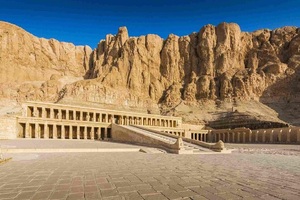
The Temple of Hatshepsut is a magnificent architectural wonder located on the west bank of Luxor and is one of the popular places to see in Luxor. It was built during the 15th century BC as a mortuary temple for the pharaoh Hatshepsut, who was one of the most powerful female rulers in ancient Egypt.
The Temple of Hatshepsut is a prime example of ancient Egyptian architecture. It was designed by the architect Senenmut and is set against a backdrop of towering cliffs on the west bank of the Nile River. The temple is composed of three terraces, each of which is connected by ramps and colonnades. The first terrace contains a large courtyard and a series of columns, while the second terrace features a large hall with pillars and a sanctuary. The third terrace is the smallest and contains a shrine to the goddess Hathor. Intricate carvings and reliefs also adorn the temple that depict the life and achievements of Hatshepsut. These carvings include scenes of her divine birth, her coronation, and her expeditions to the land of Punt.
Visitors to the Temple of Hatshepsut can explore the various terraces and halls of the temple. The first terrace contains a large courtyard with a series of columns, as well as a chapel dedicated to the god Amon. The second terrace features a large hall with pillars and a sanctuary, as well as a series of chambers that were used to store offerings and sacred objects. The third terrace contains a shrine to the goddess Hathor, as well as a series of smaller rooms and chapels that can be explored on a Luxor sightseeing tour.
One of the most striking features of the temple is the colonnade that connects the first and second terraces. This colonnade is lined with tall, elegant pillars and is decorated with intricate carvings and reliefs. Visitors can also explore the various chapels and shrines that are scattered throughout the temple. Dedicated to deities like Amun, Anubis, and Hathor, these chapels highlight the temple’s religious diversity.
The Temple of Hatshepsut is a stunning example of ancient Egyptian architecture and a visit to the temple is definitely one of the things to do in Luxor; a must-see for anyone visiting Luxor.
Hidden Gems of Luxor
The Tombs of the Nobles
When planning things to do in Luxor, Egypt and exploring this wonderful city, the Tombs of the Nobles are often overshadowed by the grandeur of the Valley of the Kings and the Valley of the Queens. However, these hidden gems offer a unique glimpse into the lives and beliefs of the non-royal elite of ancient Egypt. Here are a few lesser-known tombs worth visiting in Luxor’s Tombs of the Nobles as part of your Luxor sightseeing tour:
Tomb of Rekhmire (TT100)
The tomb of Rekhmire stands out for its well-preserved and colorful wall paintings. Rekhmire was a high-ranking official during the reign of Pharaoh Thutmose III and Amenhotep II. The colorful paintings depict scenes of daily life, religious rituals, agricultural activities, and detailed representations of foreign lands and peoples.
Tomb of Userhat (TT56)
Userhat was a scribe during the reign of Amenhotep III. His tomb features vivid and intricate scenes depicting the Nile River, agricultural activities, and religious rituals. The paintings also provide valuable information about ancient Egyptian musical instruments and dancing.
Tomb of Menna (TT69)
Menna was an overseer of fields during the reign of Thutmose IV. His tomb is renowned for its extraordinary paintings that illustrate scenes of agriculture, hunting, fishing, and Menna’s family life. The artwork is remarkably well-preserved and offers a fascinating insight into the daily activities and social hierarchy of the time.
Tomb of Ramose (TT55)
Ramose was a high-ranking official during the reign of Amenhotep III. His tomb is notable for its beautifully executed reliefs and scenes depicting the royal court, religious ceremonies, and agricultural scenes. The colors and details of the artwork are particularly impressive.
Tomb of Sennefer (TT96)
Sennefer was the mayor of Thebes during the reign of Amenhotep II. His tomb, often referred to as the “Tomb of the Vineyards,” is adorned with vibrant frescoes portraying Sennefer and his family engaged in agricultural activities, including grape harvesting and winemaking. The tomb’s unique theme and well-preserved artwork make it a must-visit.
These tombs offer a captivating glimpse into the lives and aspirations of the ancient Egyptian nobility. While they may be less famous than other sites when you’re planning what to see in Luxor, Egypt, they are certainly worth exploring for their remarkable artwork, historical significance, and the opportunity to connect with the ancient past on a more personal level.
Madinat Habu
Madinat Habu is an ancient Egyptian mortuary temple located on the west bank of the Nile River in modern-day Luxor, Egypt and is one of the interesting places to see in Luxor. It was built during the New Kingdom period, specifically during the reign of Pharaoh Ramesses III, around the 12th century BCE. The temple is dedicated to the worship of the god Amun and to commemorate the pharaoh’s reign and divine associations.
The mortuary temple of Ramses III in Medinet Habu is renowned for its impressive architecture, intricate reliefs, and historical significance. It covers a vast area and consists of several different sections, including the outer courtyard, the hypostyle hall, the inner sanctuary, and various chambers and chapels.
The outer courtyard is the first area visitors encounter upon entering the temple complex. It is an expansive open space surrounded by massive stone walls adorned with intricate reliefs and inscriptions. The reliefs depict scenes from the military campaigns and victories of Ramesses III, showcasing his power and prowess as a warrior pharaoh.
Moving further into the temple, visitors enter the hypostyle hall, which is a large columned hall with towering pillars. The columns are decorated with vibrant reliefs showcasing religious and mythological scenes, including depictions of the pharaoh making offerings to various gods and receiving their blessings.
Beyond the hypostyle hall lies the inner sanctuary, which houses the holy of holies, dedicated to the god Amun. This sacred space was accessible only to the pharaoh and high priests. The inner sanctuary is surrounded by smaller chambers and chapels, each dedicated to different deities.
One of the most famous features of Madinat Habu is the impressive depiction of the Battle of the Delta on the exterior walls. This battle scene portrays the victory of Ramesses III over the invading Sea Peoples, a significant event in ancient Egyptian history.
As a visitor to Madinat Habu on a Luxor sightseeing tour, you can immerse yourself in the rich history and artistry of ancient Egypt. The temple offers a glimpse into the religion, military might, and cultural achievements of the New Kingdom period. Visitors can admire the intricate reliefs, marvel at the grand architecture, and explore the various chambers and halls. The site also provides an opportunity to learn about the pharaoh’s role as a divine ruler and the religious beliefs and practices of ancient Egypt.
Madinat Habu is a captivating archaeological site that offers an enriching and educational experience for anyone interested in ancient Egyptian history, art, and architecture.
Ramesseum
The Ramesseum is a magnificent mortuary temple located on the west bank of the Nile River in Luxor. It was built by Pharaoh Ramesses II, also known as Ramesses the Great, who ruled Egypt during the 19th Dynasty of the New Kingdom period. The temple was dedicated to the worship of the pharaoh and various Egyptian deities, and it served as a place of worship, commemoration, and ritual ceremonies.
The Ramesseum was constructed on a grand scale, reflecting the power and wealth of Ramesses II. The temple covered a vast area and was surrounded by massive mudbrick walls, which provided protection and privacy. The main entrance to the temple was through a towering pylon, a large gateway with sloping walls, decorated with intricate reliefs depicting scenes from Ramesses II’s military victories and religious rituals. One of the most notable features of the Ramesseum is the massive open courtyard, known as the Great Court. This courtyard was lined with colossal statues of Ramesses II, showcasing the pharaoh’s divine and royal presence. Unfortunately, most of these statues have fallen or been destroyed over time, but their remains provide a glimpse into the former grandeur of the temples in Luxor. At the center of the Ramesseum, there was a hypostyle hall, characterized by rows of massive columns with intricately carved capitals. This hall was used for religious ceremonies and was adorned with reliefs depicting offerings to the gods and scenes from the pharaoh’s life. Some of the reliefs depict Ramesses II’s military campaigns, including the famous Battle of Kadesh.
Beyond the hypostyle hall, there was a sanctuary housing a cult statue of Ramesses II, which was believed to be the pharaoh’s divine representation. The sanctuary was a sacred space accessible only to the high priests and the pharaoh himself. It was here that rituals and offerings were made to ensure the pharaoh’s eternal life and the prosperity of Egypt.
The temple complex also included various chapels, storerooms, and administrative buildings. These structures supported the temple’s daily operations and provided spaces for the priests and officials who served the pharaoh.
The walls of the Ramesseum were adorned with intricate reliefs and hieroglyphic inscriptions, illustrating religious scenes, mythological tales, and the achievements of Ramesses II. These decorations served to glorify the pharaoh and emphasize his close relationship with the gods.
Today, the Ramesseum stands in ruins, but its grandeur and architectural splendor are still evident and a visit is one of the things to do in Luxor, as part of your Luxor sightseeing tour. Despite the damage inflicted by time and human interference, it remains a testament to the wealth, power, and religious beliefs of one of ancient Egypt’s greatest pharaohs, Ramesses II. The temple offers valuable insights into the religious and cultural practices of the New Kingdom period and continues to attract visitors from around the world.
What to Do in Luxor, Egypt
Cultural Experiences
Hot Air Balloon Ride Over Luxor
Embark on an unforgettable adventure and elevate your cultural experience with a hot air balloon ride over the enchanting city of Luxor. Nestled on the banks of the majestic Nile River in Egypt, Luxor is a treasure trove of ancient history and architectural wonders. And what better way to appreciate its grandeur than from a bird’s-eye view? A hot air balloon ride is one of the most exhilarating things to do in Luxor, giving you an amazing view of all the places to see in Luxor.
As you soar gently into the sky in the early morning hours, the magic unfolds before your eyes. The sun begins to cast its golden glow upon the sprawling landscape, illuminating the iconic landmarks that have stood the test of time. The temples in Luxor, tombs, and ruins that once served as the heart of the ancient Egyptian civilization come to life beneath you.
One of the highlights of this extraordinary hot air balloon journey is the breathtaking vista of the Valley of the Kings. From your vantage point high above, you can marvel at the intricate details of the tombs and catch glimpses of their vibrant wall paintings.
Another awe-inspiring sight is the Temple of Hatshepsut, an architectural masterpiece dedicated to one of Egypt’s most iconic female pharaohs. As your hot air balloon drifts gracefully over this magnificent structure, you’ll gain a newfound appreciation for the craftsmanship and engineering prowess of the past.
The sprawling Karnak Temple Complex is yet another marvel best appreciated from the skies. From your lofty perch, you can witness the intricate hieroglyphics, towering columns, and sacred lakes that make Karnak a testament to the spiritual devotion of the ancient Egyptians.
But it’s not just the monumental sites that will captivate you during the hot air balloon ride over Luxor. The surrounding landscapes offer a mesmerizing tapestry of colors and textures. The fertile green fields, the ribbon-like Nile River snaking through the desert, and the distant mountains create a stunning backdrop that juxtaposes the ancient sites with the natural land.
As you gently descend back to the ground, you’ll find yourself in awe of the unique perspective you’ve gained on Luxor’s rich cultural heritage. The hot air balloon ride offers an immersive and ethereal experience that allows you to connect with the spirit of the land and its ancient inhabitants.
Felucca Ride on the Nile
A felucca ride on the Nile River in Luxor is a unique cultural experience that allows you to immerse yourself in the rich history and natural beauty of the region, and is one of the most relaxing things to do in Luxor. A felucca is a traditional wooden sailing boat with a large triangular sail. It has been used for centuries along the Nile River and is an iconic symbol of Egyptian culture. The boats are typically handcrafted by skilled local craftsmen.
As you sail along the Nile River, you’ll be treated to stunning views of the river, the lush green banks, and the surrounding landscape. The calm waters and gentle breeze create a peaceful atmosphere, providing a welcome escape from the bustling city.
A felucca ride is a leisurely and unhurried experience. Unlike larger tour boats, feluccas are smaller and more intimate, accommodating a limited number of passengers. You can sit back, relax, and enjoy the tranquility of the Nile River as you glide along its waters.
Felucca rides are particularly popular during sunset. These times of day offer breathtaking views as the sun casts a warm golden glow on the river and the ancient temples in Luxor and monuments that line its banks. It’s a magical experience to witness the changing colors of the sky while embarking on a nice, long cruise of the Nile River.
Depending on the duration of your felucca ride, you may have the chance to make stopovers at various points of interest along the Nile River. Some popular stops include Banana Island, which is known for its banana plantations, and the Luxor West Bank, where you can explore ancient sites such as the Valley of the Kings and the Temple of Hatshepsut.
A felucca ride on the Nile River in Luxor offers a serene and authentic cultural experience. It allows you to connect with the natural surroundings and appreciate the historical significance of the city.
Visit to a Local Market
Visiting a local souk (market) in Luxor, Egypt is a fantastic way to immerse yourself in the local culture and experience the vibrant atmosphere of daily life and is one of the great things to do in Luxor. Luxor is known for its bustling markets, where you can find a wide array of goods, from traditional crafts and textiles to spices and fresh produce. Here are some suggestions for your visit to a local souk in Luxor.
Egyptian Spices
Explore the aromatic spice stalls and indulge in the rich flavors of Egyptian cuisine. Look for popular spices such as cumin, coriander, saffron, cardamom, and cinnamon. These spices are commonly used in Egyptian dishes like kochari and falafel.
Traditional Handicrafts
Luxor’s souks offer a wide selection of traditional handicrafts that make for unique souvenirs to take home from your Luxor sightseeing tour. Look out for exquisite hand woven carpets, colorful tapestries, intricate wood carvings, and beautiful pottery. These items reflect Egypt’s rich artistic heritage and can add a touch of Egyptian culture to your home.
Alabaster
Luxor is renowned for its high-quality alabaster stone, which has been used for centuries to create beautiful sculptures, vases, and lamps. The souks in Luxor are filled with shops offering a range of alabaster products, so take your time to browse and find a piece that catches your eye.
Traditional Clothing
Consider purchasing traditional Egyptian clothing as a memento of your visit to Egypt. Look for a gallabiyah; a loose-fitting, ankle-length garment worn by both men and women. Gallabiyah are often made of
lightweight fabrics such as cotton or linen and come in a variety of colors and patterns.
Egyptian Jewelry
Luxor’s souks are a treasure trove for jewelry enthusiasts. Admire the intricate designs and browse through stalls offering a range of jewelry made from precious metals and gemstones. Look for pieces inspired by ancient Egyptian motifs, such as scarab beetles or hieroglyphic symbols.
Papyrus Artworks
Craftsmen make papyrus from the stems of the papyrus plant and it has been used in Egypt for thousands of years to create paper-like sheets. Explore the papyrus stalls and consider purchasing a piece of papyrus artwork featuring ancient Egyptian scenes or hieroglyphic inscriptions.
Remember to practice your negotiation skills when shopping in the Egyptian souks, as haggling is a common practice, and can be lots of fun. Shopping for Egyptian souvenirs in Luxor can be a truly exciting and rewarding experience.
Traditional Egyptian Cuisine
When visiting Egypt, there are lots of things to do in Luxor. You’ll have the opportunity during your tour of Luxor to indulge in traditional Egyptian cuisine. Below are some local dishes you should try, and the details of where you can find them in Luxor.
Ful Mesdames is a staple Egyptian dish made from cooked fava beans flavored with garlic, lemon juice, and olive oil. It is often enjoyed as a hearty breakfast with local bread. For a tasty plate of Ful Mesdames, head to New Memnon Restaurant, situated on the East Bank of the Nile River in Luxor.
Tamiya (Egyptian Falafel) is an Egyptian version of falafel made from ground fava beans mixed with herbs and spices, then deep-fried to perfection. To savor this delightful street food, visit New Memnon Restaurant.
Fetter Meshaltit is a light, flaky multilayered bread made from dough that’s stretched paper thin and folded several times. It is served stuffed with minced meat, white cheese or just plain. You can also eat fetter drizzled with honey. You can find delicious Fetter Meshaltit at New Memnon Restaurant.
Molokai is a traditional Egyptian soup made from jute leaves, often cooked with chicken or rabbit and served with rice or bread. For a taste of this unique dish, visit New Memnon or Marsam restaurant.
A traditional delicacy; pigeons are bred throughout Egypt in conical pigeon towers. They are stuffed with seasoned rice or, even better, bulgur wheat before being grilled or baked. You can find delicious pigeon at New Memnon, a local restaurant located on the East Bank of the Nile River in Luxor.
Flame-grilled chunks of lamb and spiced minced meat made into a sausage and grilled on a skewer are a favorite Egyptian meal. Kofta and kebab is typically eaten with a simple chopped tomato and cucumber salad and a disc of flatbread. You can savor these flavors at New Memnon Restaurant or Marsam Restaurant, both located on the East Bank of Luxor.
Egyptian desserts are quite light. Mahalabiya is a delicate rosewater-flavored ground rice dessert, topped with toasted nuts and cinnamon. Roz bi Laban is a tasty rice pudding, which is always served cold. Umm Ali is a traditional Egyptian bread pudding made with layers of filo pastry, nuts, raisins, and sweetened milk, then baked until golden and crispy. You can find Umm Ali, Roz bi Laban and Mahalabiya as a dessert option in many coffee shops in Luxor.
Egyptians are big fans of the sticky, syrup-drenched, nut-filled filo pastries known collectively as Baklava. There are numerous different kinds such as kunefe, which has a cream base and a crunchy vermicelli pastry crust and basbousa, made of semolina pastry soaked in honey and topped with hazelnuts. You can find Baklava in many pastry shops in Luxor.
Enjoy your culinary exploration of traditional Egyptian cuisine during your Luxor sightseeing tour!
Museums in Luxor – Treasures of Ancient Thebes
Luxor Museum
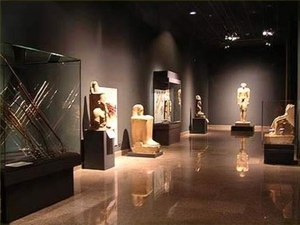
Luxor Museum is a renowned museum located in the city of Luxor, Egypt. It is dedicated to showcasing the artifacts and treasures from the ancient city of Thebes, which was the capital of Egypt during the New Kingdom period. The museum’s collection primarily focuses on items from the 18th, 19th, 20th, and 21st dynasties. Some key exhibits you can find at Luxor Museum are:
The Colossal Statue of Amenhotep III
This impressive statue of Amenhotep III, an Egyptian pharaoh from the 18th dynasty, is one of the highlights of the museum. It stands at around 14 meters tall and is made of quartzite.
The Cache of Luxor
This exhibit is a collection of carefully hidden treasures discovered in 1989. It includes statues, jewelry, and other valuable objects from the 18th dynasty, shedding light on the artistic and cultural achievements of the time.
The Statue of Tuthmosis III
This statue depicts Tuthmosis III, one of the most powerful pharaohs of the New Kingdom. It is a well-preserved granite statue that highlights the artistic mastery of ancient Egyptian sculptors.
The Mummy Cache
Luxor Museum houses a collection of mummies from the 21st dynasty. These mummies were discovered in a hidden cache in the nearby village of Deir el-Bihari, and their preservation provides valuable insights into ancient Egyptian burial practices.
The Tomb of Yuya and Tuya
The Luxor Museum features a replica of the tomb of Yuya and Tuya, who were the parents of Queen Tiye, the wife of Amenhotep III. The original tomb is located in the Valley of the Kings, but the replica allows visitors to appreciate the intricate wall paintings and artifacts without leaving the museum.
In addition to these key exhibits, Luxor Museum also displays a wide range of artifacts, including statues, jewelry, pottery, and everyday objects, all of which offer a glimpse into the daily lives, religious beliefs, and artistic achievements of the ancient Egyptians. A visit to the Luxor Museum is one of the top things to do in Luxor.
Visitor Information
– Location: Luxor Museum is situated on the East Bank of the Nile River in Luxor, Egypt.
– Opening Hours: 9:00 AM-2:00 PM, 5:00-10:00 PM every day
– Admission Fee: 150 EGP for students and 300 EGP for adults
Mummification Museum
The Mummification Museum in Luxor, Egypt is one of the key attractions in Luxor and is a destination that showcases the ancient practice of mummification. We’ll give you an explanation of the exhibits you can expect to find at the museum below, as well as some visitor information.
The museum introduces visitors to the history and significance of mummification in ancient Egypt. It explores the religious beliefs and rituals associated with the process of preserving the dead.
Tools and Techniques
One of the central exhibits focuses on the tools and techniques utilized by ancient Egyptian embalmers to mummify bodies. Visitors can see the various instruments, substances used, and learn about the procedures involved in the mummification process.
Step-by-Step Process
This exhibit offers a step-by-step explanation of the mummification process. It covers the removal of internal organs, drying and wrapping the body, and various burial customs and rituals.
Mummified Animals
In addition to human mummies, the museum also features a collection of mummified animals. These include cats, birds, crocodiles, and other creatures that were believed to accompany their owners into the afterlife.
Mummy Portraits
The museum showcases a collection of mummy portraits, which are intricately painted portraits that were placed over the faces of mummies. These portraits provide a glimpse into the physical appearance and fashion of the ancient Egyptian people.
Visitor Information
Location: The Mummification Museum is located in Luxor, a city situated on the east bank of the River Nile in Luxor. It is positioned near the Luxor Temple and is easily accessible by taxi or public transportation.
Opening Hours: 9:00 AM-2:00 PM, 5:00-10:00 PM every day
Admission Fees: 100 EGP for students and 200 EGP for adults
Before You Go
Best Time to Visit Luxor
When planning a visit to Luxor, Egypt; as well as planning things to do in Luxor, it’s important to consider the weather and tourist seasons, to ensure the best experience. Luxor, located in Upper Egypt, has a desert climate characterized by hot summers and mild winters. The optimal seasons for travel and sightseeing in Luxor are during the winter and spring months.
Winter Season (December to February)
The winter season is considered the best time to visit Luxor on a Luxor sightseeing tour, due to its pleasant weather. During this time, temperatures are mild, with average daytime temperatures ranging from 20°C (68°F) to 25°C (77°F). Nights can be cooler, ranging from 8°C (46°F) to 14°C (57°F), so it’s important to pack some warm clothing for the evenings. Winter is also the peak tourist season in Luxor, so expect larger crowds at popular attractions.
Spring Season (March to May)
Spring is another excellent time to visit Luxor. The weather starts to warm up at this time of year,, but it’s still comfortable for exploring the ancient sites. Daytime temperatures range from 25°C (77°F) to 30°C (86°F), and nights are warmer, averaging around 15°C (59°F). The spring season offers fewer crowds on Luxor sightseeing tours compared to winter, making it a good alternative if you prefer a quieter experience.
It’s worth noting that Luxor can get extremely hot during the summer months (June to August), with temperatures reaching well above 40°C (104°F). This intense heat can make outdoor activities and sightseeing uncomfortable. Additionally, summer sometimes coincides with Ramadan, a month of fasting and religious observance for Muslims, which can impact some aspects of daily life and services. In terms of specific events and festivals, Luxor hosts the Luxor African Film Festival in March, which showcases films from across the continent. This event attracts filmmakers, industry professionals, and film enthusiasts from around the world.
The winter and spring seasons offer the most comfortable temperatures and an optimal experience for exploring the ancient wonders of Luxor. Find out more when is the best time to visit Egypt.
Cultural Norms and Etiquette in Luxor
When visiting Egypt, there are lots of things to do in Luxor. However, it’s important to be aware of, and respect the local cultural norms and etiquette. Here are some tips to help you have respectful interactions.
Dress modestly
Egypt is a conservative country, and it is respectful to dress modestly, especially when visiting temples in Luxor and religious sites. Both men and women should avoid revealing clothing, and women in particular should cover their shoulders and knees.
Greetings and politeness
Egyptians value politeness and greetings play an important role in their culture. When meeting someone, it’s customary to exchange greetings, shake hands, and inquire about the person’s well-being. Use the appropriate greetings, such as “As-salaam alaykum” (peace be upon you) and respond with “Wa alaykum as-salaam” (and upon you be peace).
Respect Islamic traditions
Islam is the predominant religion in Egypt, and it’s important to respect Islamic traditions. Be mindful of prayer times and avoid interrupting or entering mosques during prayer. If you visit a mosque, always remove your shoes and dress modestly.
Public displays of affection
Public displays of affection are generally not common in Egyptian culture and may be seen as inappropriate. It’s best to refrain from such behavior in public to avoid causing offense.
Photography
When taking photographs, always ask for permission, especially when photographing people. Some locals may decline, particularly if they are women or if it involves religious sites. Respect their wishes and be sensitive to the cultural context.
Food customs
When invited to an Egyptian home, it is customary to remove your shoes before entering. If you are offered food or drink, it is polite to accept and try a little bit, even if you don’t eat or drink everything. It is also customary to wash your hands before and after eating.
Respect for elders
Respect for elders is highly valued in Egyptian culture. Show deference and avoid using first names unless given permission. Use titles such as “Uncle” or “Aunt” followed by the person’s first name when addressing older individuals.
Bargaining
Bargaining is a common practice in markets and bazaars. However, it is important to do so respectfully and with a friendly attitude. Remember that the aim is to reach a fair price that both parties are satisfied with.
Left hand
In Egyptian culture, the left hand is considered unclean, so it’s best to use the right hand for greetings, eating, and exchanging items.
What to Pack for Luxor
When packing for a trip to Luxor, Egypt, it’s important to consider the city’s climate and cultural expectations. Luxor has a hot desert climate, so you’ll want to pack lightweight, breathable clothing that will keep you cool and comfortable on a Luxor sightseeing tour. Here are some essentials to consider when you’re planning things to do in Luxor:
Clothing
– Wear lightweight, loose-fitting tops and T-shirts made of breathable fabrics like cotton or linen when visiting Luxor, Egypt attractions.
– Long-sleeved shirts and trousers to protect yourself from the strong sun and potential mosquito bites in the evenings.
– A lightweight jacket or shawl for cooler evenings.
– Modest clothing that covers your shoulders and knees, especially if you plan to visit religious sites.
– Swimwear if you plan to visit resorts or take a dip in the hotel pools.
Footwear
– Comfortable walking shoes or sandals for exploring the archaeological sites and walking around Luxor.
– Flip-flops or sandals for the pool or beach areas.
Accessories
– Wide-brimmed hat or a scarf to protect your face and neck from the sun.
– Sunglasses to shield your eyes from the bright sunlight.
– Sunscreen with a high SPF to protect your skin from the intense sun.
Other Essentials
– Travel adapter to charge your electronic devices.
– Insect repellent to protect yourself from mosquitoes, especially in the evenings.
– Medications, if needed, along with a basic first-aid kit.
– Reusable water bottle to stay hydrated.
– Cash in smaller denominations for tipping, small purchases, or areas where credit cards may not be accepted.
Cultural Considerations
– Respectful clothing: Avoid revealing or tight-fitting clothing, particularly when visiting religious sites. Dress modestly by covering your shoulders, chest, and knees.
– Scarf or shawl: Carry a lightweight scarf or shawl to cover your head or shoulders if needed, especially for women when visiting mosques or religious sites.
– Shoes: Slip-on shoes are convenient for easily removing them when entering mosques or people’s homes.
– Cultural sensitivity: Familiarize yourself with local customs and traditions to ensure respectful behavior during your Luxor sightseeing tour.
Find out more what to wear in Egypt as a tourist.
Travel Tips and Practical Information
Getting Around
There are so many things to do in Luxor, Egypt, and when it comes to getting around the city, there are several options available to travelers. Luxor is a relatively small city, making it easy to navigate and explore. Here are some of the best modes of transport to consider when planning your Luxor sightseeing:
Walking
Luxor’s main attractions and some of the best places to see in Luxor, such as the Luxor Temple and the Luxor Museum, are located in close proximity to each other in the city center. Walking is an excellent way to explore the area, especially if you prefer to take your time and soak up the atmosphere. However, keep in mind that Luxor can get quite hot, particularly during the summer months, so make sure to stay hydrated and protect yourself from the sun.
Taxis
Taxis are a convenient mode of transport in Luxor. They are readily available throughout the city, and you can easily hail one from the street or find them at designated taxi stands. It’s advisable to negotiate the fare or insist that the driver uses the meter before getting into the taxi to avoid any misunderstandings. It’s also a good idea to carry small denominations of Egyptian currency, as drivers might not always have change for larger bills.
Horse Carriages
Another one of the popular things to do in Luxor, and a charming mode of transport, is horse-drawn carriages, locally known as “caleches.” They are a traditional form of transportation and are often found near the major tourist sites. Riding in a caleche allows you to experience a leisurely and nostalgic way of exploring the city, particularly along the Corniche, taking in the Nile River, or while visiting the Luxor Temple or the Karnak Temple Complex.
Nile River Cruises
Luxor is situated along the banks of the Nile River, and taking a luxury Nile cruise is a unique way to travel between different Luxor, Egypt attractions. Feluccas; traditional Egyptian sailboats, offer a scenic and peaceful journey along the Nile River. You can arrange private tours that include stops at various sites, such as the Valley of the Kings or the Temple of Hatshepsut. These sites are also included as a part of King Tut Tours Egypt’s luxury small group tours.