What are the must-see attractions in Luxor?
Popular Attractions
According to forum posts, the must-see attractions in Luxor include the Valley of the Kings, Karnak Temple, and the Luxor Temple. These sites are rich in ancient Egyptian history and architecture, offering a glimpse into the past civilizations.Additional Historical Sites
Travelers have called out the Valley of the Queens, Medinet Habu, and the Colossi of Memnon as noteworthy places. The Valley of the Queens, known for its beautifully decorated tombs, and Medinet Habu, recognized for its detailed reliefs, are particularly emphasized for their historical significance.Unique Experiences
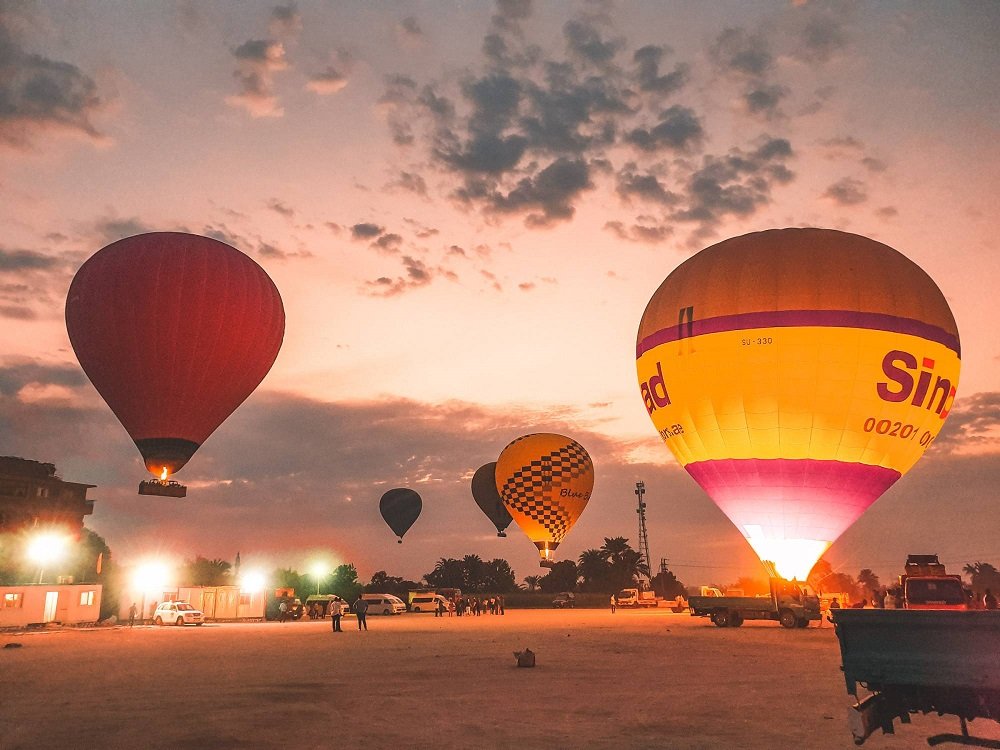
For a unique perspective, some users recommend taking a hot air balloon ride over the city at sunrise. This provides a breathtaking aerial view of Luxor's landscape and major archaeological sites, offering a different vantage point compared to ground tours
What are the taxi services available in Luxor?
Taxi Availability and Pricing
According to forum posts, taxis are abundant in Luxor, and travelers can expect to pay around 70LE for a trip from the Luxor bus station to the Iberotel Luxor. Users suggest starting the price negotiation at 50LE and not going beyond 70LE, although initial price quotes from drivers can be much higher.Ride-Hailing Services
Some travelers mentioned using the Careem app, which operates similarly to Uber and is available in Luxor. However, there are mixed reports about the availability of cars through the app, with one user noting sparse availability in November 2021. As of the latest updates, Uber does not provide services in Luxor.Local Travel Tips
For many users, negotiating taxi fares is common, and knowing approximate prices helps avoid being overcharged. Travelers also recommend using local drivers, who can be contacted via WhatsApp to negotiate prices, ensuring reliable transportation without the need for on-the-spot bargaining.
What are the walking experiences at the Avenue of Sphinxes?
According to forum posts, the Avenue of Sphinxes, also known as the Path of God, connects Luxor Temple and Karnak. It features a variety of antiquities including Roman-era wine presses and a late Pharaonic nilometer. Travelers have mentioned that the path is adorned with numerous sphinx statues and has several interpretation boards providing historical insights.Accessibility and Amenities
Some travelers have noted that while the path itself is largely modern with hand-chiseled paving that blends well with the surroundings, wheelchair users might find it challenging due to some uneven sections. There are several rest stops with seating and canopies for shade along the route, although there are no toilets available except at the entrance points (Luxor and Karnak Temples).Experience and Recommendations
Travelers have called out the excellent directional signage in both Arabic and English, enhancing the visitor experience. Despite the physical challenges, the Avenue of Sphinxes offers a rich walking experience filled with historical and cultural insights, making it a recommended visit for those exploring Luxor.
Is the Tomb of Queen Nefertari open to visitors?
Current Status
According to forum posts, the Tomb of Queen Nefertari is currently closed for restoration. There is no indicated reopening date, which suggests that it might remain closed for an extended period.Visitor Experience Prior to Closure
Some travelers mentioned visiting the tomb before its sudden closure, describing the experience as magnificent. They noted that the tomb guardian provided an exceptional tour, showcasing a deep pride in caring for the site.
What are the highlights of the Valley of the Kings?
Accessibility and Assistance
According to forum posts, the Valley of the Kings (VoK) is generally accessible, with an electric train covering large segments at the entrance, making it easier for those who might find long walks challenging. Travelers have called out that tomb guardians are often available to assist visitors with mobility issues.Site Features and Recommendations
Some travelers said that VoK houses over 60 tombs, featuring stunning artwork and carvings depicting ancient funeral processes and interactions with gods. Key highlights include the tombs of Tutankhamun, Seti I, and Ramesses V/VI. The tomb of Tutankhamun is especially famous, although it involves steps, which are facilitated with handrails.Additional Tips
For many users, it's recommended to plan visits early in the day to avoid the heat and crowds. The site can be overwhelming, so taking photographs of tomb entrances has been suggested to help keep track of what was visited.
Where can I book a hot air balloon ride in Luxor?
Booking Options
According to forum posts, travelers can book hot air balloon rides directly with balloon companies in Luxor. Popular companies mentioned include Hod Hod Soliman, Sinbad, and Alaska. These companies offer direct booking options through their websites.Local Booking Advice
Some users recommended visiting local travel agencies once in Luxor to compare prices and services, as the balloon companies are competitive with their pricing. This approach is especially useful if you have flexible travel dates or are looking for last-minute deals.Online Resources
For those preferring to arrange their tours before arrival, it's advised to check the Things To Do section on TripAdvisor for a list of balloon flight providers. This allows potential travelers to contact companies directly, ensuring they receive the most accurate and up-to-date information regarding prices and availability.
What are the must-see temples in Egypt?
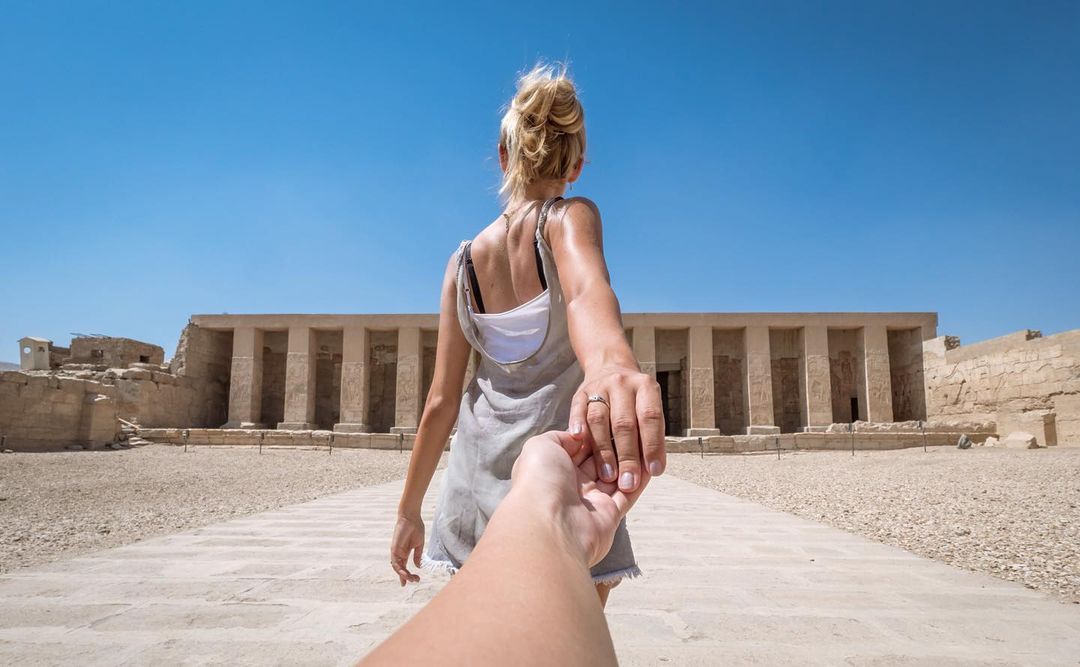
Temple at Abydos - one of the oldest temples in Egypt.
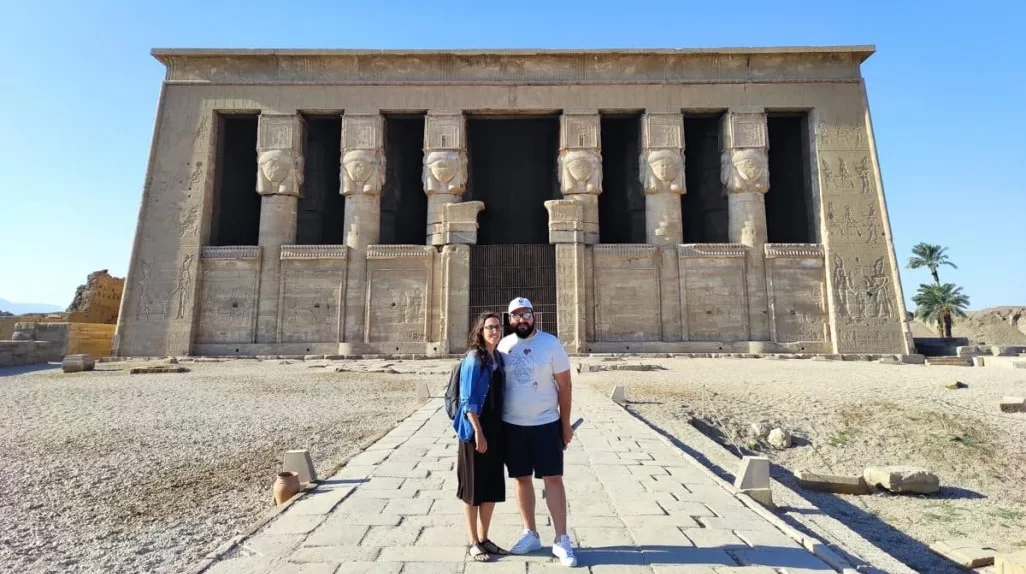
Temple of Hathor in Denera - one of the best preserved ancient temples in Egypt.
Karnak temple complex - one of the most famous temples in Egypt.
Luxor temple - one of the great temples of Egypt.
What are the top 3 tourist attractions in Egypt?
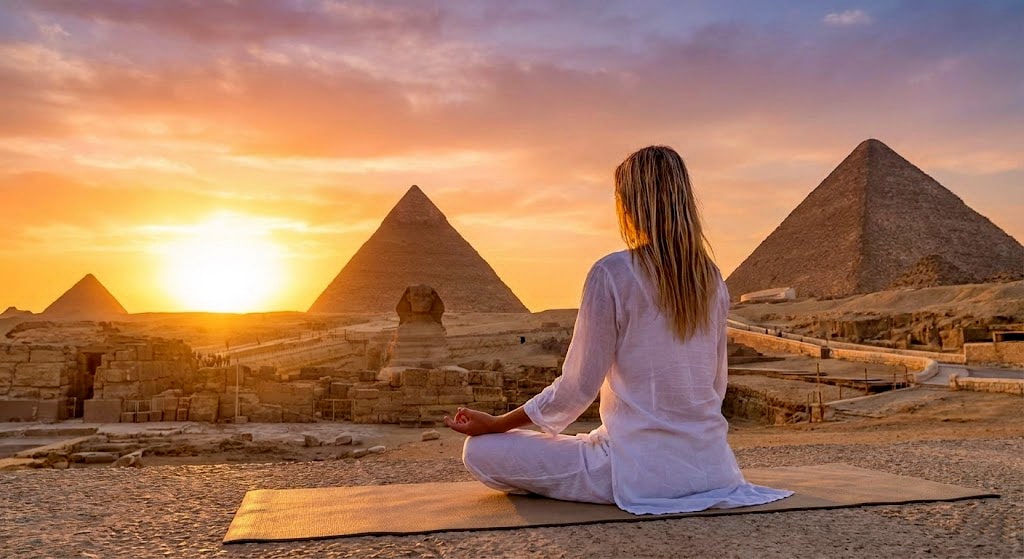
Pyramids of Giza. The Pyramids of Giza are undoubtedly one of the most extraordinary human feats on the planet. ...
The Nile. The Nile River has served as an unwavering life force to the Egyptian people for thousands of years. ...
The Valley of the Kings. ...
The Red Sea.
Which Egyptian king married his daughter?
Akhenaten married his oldest daughter. Nefertiti had 4 daughters and he wanted a son to rule after him. This is arguably the strangest carving from the whole of Egyptian history.
Which temple is better, Karnak or Luxor?
Karnak Temple is a massive, sprawling complex focused on scale and ancient history, while Luxor Temple is smaller, better preserved, and more intimate, situated directly in the city center. Karnak is best visited in the morning for its vastness, whereas Luxor is perfect during sunset/night for its illuminated, romantic atmosphere. Both are connected by the Avenue of Sphinxes
What are the 7 wonders of the world Egypt?
Seven Wonders of Egypt
Great Pyramid of Giza. Great Pyramid of Giza. ...
The Great Sphinx, Giza. The Great Sphinx, Giza. ...
Temple of Luxor, Luxor. ...
Cairo. ...
Saqqara, South of Cairo. ...
Temple of Karnak, Al-Karnak.