Aswan the magical city in Egypt The ancient city of Scene and known to the modern world as Aswan, the city is located to the north of Aswan Dam and Lake Nasser, about 425 miles south of Cairo. It was ancient Egypt’s gateway to Africa and is part of the UNESCO Creative Cities Network.
The River Nile is said to be in its most glorious form in Aswan – flowing through the majestic desert and granite rocks, with a backdrop of green tropical plants. Aswan’s local quarries supplied granite for many ancient Egyptian monuments and are still functional. Being famous for trade and markets, the souks in Aswan are full of colorful spices, enchanting fragrances, handmade baskets, and vibrant scarves.
The local people of Aswan are a mix of Nubians and Upper Egyptians. At some point in time, the Nubian kingdom used to rule all of Egypt and parts of Sudan – it was called the Kingdom of Kush. One of the most famous leaders of Kush was Piye, who conquered Egypt and became the pharaoh. Today, Aswan has many Nubian villages, as the area is an extension of ancient Nubia, which was flooded by the water of Lake Nasser when the high dam was completed in 1970. Nubians are very friendly and you can visit one of their villages to witness their hospitality and view their colorfully decorated houses.
Aswan the magical city in Egypt
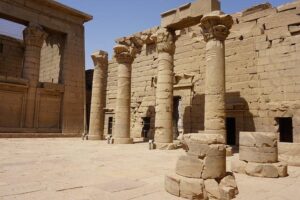
One of the greatest ancient manmade monuments, the Temple of Abu Simbel, is located around 140 miles southwest of Aswan. It is part of the UNESCO World Heritage Site and was created during the reign of Ramses II and showcases the perfection of craftsmanship. Also explore the ancient god Horus’ Temple of Philae where besides the endless ancient wonders, you can find Napoleon’s inscription. Its mesmerizing Sound and Light show sheds light on legends of goddess Isis and god Osiris.
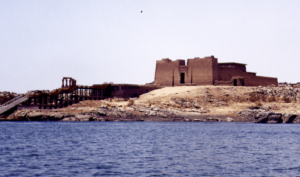
The largest island in the area, Elephantine Island contains artifacts dating from predynastic times. Close by is the Kitchener’s Island (also known as the El Nabatat Island) which is famous for its Botanical Garden bearing exotic plants that Lord Horatio Kitchener planted in 1916, and they continue to flourish to this day.
also Aswan is a remarkable destination, offering a journey into ancient splendor. Situated along the majestic Nile River, Aswan is a city that boasts a rich history, stunning natural beauty, and remarkable archaeological sites. From the iconic Philae Temple through the Unfinished Obelisk, to the magnificent Abu Simbel Temples, this city holds an array of awe-inspiring Aswan attractions. Nestled in the Nile,
Elephantine Island emerges as an archaeological paradise. Here, you can explore the ruins of ancient temples and walk along the picturesque streets. You can also visit the Nubian Museum in Aswan to learn more about the unique heritage of the Nubian people. Aswan is renowned for its natural beauty, with the tranquil waters of Lake Nasser and the breathtaking views of the Nile’s cataracts.
These are just a few highlights you should see on your Aswan city tour. The city is also known for its vibrant souks (markets), delicious cuisine, and the chance to witness the everyday life of the local people. Aswan truly encapsulates the ancient splendor of Egypt and offers a unique and unforgettable travel experience.
Step Back in Time at Philae Temple

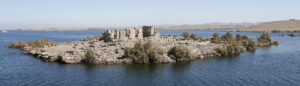
Located on Agilkia Island, the Philae Temple stands as a captivating historical site that allows visitors to step back in time and explore ancient Egyptian architecture and mythology. Constructed during the Ptolemaic period, the original Philae Temple honored the goddess Isis on Philae Island. Due to the construction of the Aswan High Dam in the 20th century,
the temple had to be relocated to Agilkia Island in the 1970s to save it from being submerged. The temple exhibits a blend of ancient Egyptian and Greco-Roman architectural styles. It consists of several structures, including the main temple dedicated to Isis, as well as smaller shrines dedicated to other deities such as Hathor and Horus. The temple is associated with the worship of the goddess Isis, who was revered as the mother goddess and the patroness of magic, fertility, and motherhood.
Aswan the magical city in Egypt
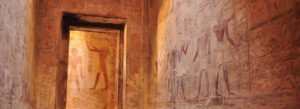
The temple complex was considered a significant pilgrimage site in ancient times. The walls of the Philae Temple are adorned with intricate carvings and reliefs that depict various mythological scenes, religious rituals, and pharaonic dedications. These reliefs provide insights into ancient Egyptian culture and beliefs. In the evening, the Philae Temple hosts a captivating sound and light show that brings the history and myths associated with the temple to life. The colorful lighting and narrations enhance the mystical ambiance of the temple.
Visiting the Philae Temple offers an opportunity to immerse oneself in the rich history of ancient Egypt and witness the grandeur of its temples and architecture. The serene island location, giving you panoramic views of the Nile River, adds to the enchanting experience of stepping back in time.
Abu Simbel Temples

The Abu Simbel Temples, awe-inspiring and steeped in history, stand on the Nile’s western bank and are one of the places to see in Aswan. Located on the western bank of the Nile River in southern Egypt, near the border with Sudan, these temples are renowned for their majesty and are a common stopping point on many longer Nile River cruise itineraries.
The temples were originally carved out of the mountainside during the reign of Pharaoh Ramses II in the 13th century BCE. The main temple is dedicated to Ramses II himself, while the smaller temple is dedicated to his favorite wife, Queen Nefertari. The construction of these temples was a monumental feat, and they were intended to showcase the power and authority of Ramses II and the gods he worshiped.
One of the most striking features of the Abu Simbel Temples is the massive statues that adorn their facades. The four colossal statues of Ramses II, each standing at around 20 meters tall, sit at the entrance of the main temple.
The statues depict Ramses II in a seated position, wearing the double crown of Upper and Lower Egypt. The facade of the smaller temple also
features impressive statues of Ramses II and Queen Nefertari.
Aswan High Dam
Egypt’s Aswan High Dam stands as a remarkable engineering feat, harnessing the Nile River’s power. Constructed between 1960 and 1970, the dam was built to control the annual flooding of the Nile, provide hydroelectric power, and enable irrigation for agricultural purposes. The Aswan High Dam is made of rockfill and clay, and it stretches across the Nile River near the city of Aswan.
It is approximately 3,830 meters long, 980 meters wide at its base, and 111 meters high. The dam has a reservoir called Lake Nasser, which is one of the largest man-made lakes in the world, extending about 550 kilometers behind the dam. The dam’s primary function is flood control. By regulating the flow of the Nile, it prevents the destructive floods that used to occur annually,
causing significant damage to crops, infrastructure, and settlements along the riverbanks. The controlled release of water from the dam has helped protect millions of people and their livelihoods from these devastating floods. Another significant benefit of the Aswan High Dam is its hydroelectric power generation capacity. The dam has 12 turbines that produce a considerable amount of electricity for Egypt.
This clean and renewable energy source has helped meet the growing demand for electricity in the country and reduce its reliance on fossil fuels. Furthermore, the dam has allowed for expanded irrigation systems along the Nile. The controlled release of water from the dam has made it possible to provide a more reliable water supply for agricultural activities in the surrounding areas.
This has facilitated increased agricultural production and improved food security for Egypt. The Aswan High Dam has been instrumental in transforming the lives of people in Egypt. It has provided flood protection, hydroelectric power, and expanded irrigation, contributing to economic development, increased agricultural productivity, and improved living conditions for millions of people in the region. A visit to the Aswan dam is certainly one of the great things to do in Aswan.