Saqqara pyramid
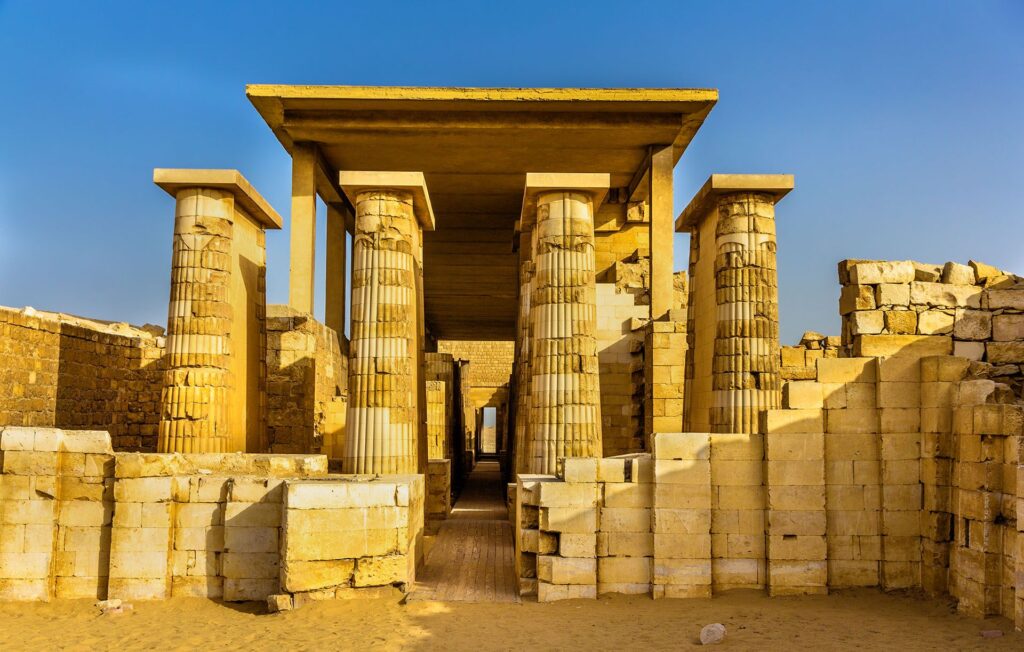
Saqqara pyramid Located 40 km southwest of Cairo, Saqqara is one of the most important cemeteries of Memphis, which was itself one of the most important cities in ancient Egyptian history. The name of the site most likely derives from the god of this necropolis, Sokar.
Saqqara is truly an open-air museum, one that has all of ancient Egyptian history on display. Kings and noblemen from the very first two dynasties (c.3040–2686 BC) were buried here, and this is also the location of the Step Pyramid of Djoser (c.2686–2667 BC).
The pyramids of some of the most important kings of the Old Kingdom Fifth (c.2494–2345 BC) and Sixth (c.2345–2181 BC) Dynasties are located in Saqqara. One of these, the pyramid of Unas (also known as Wenis; (c.2375–2345 BC), features the oldest pyramid burial chamber decorated with texts. These are the so-called Pyramid Texts, the purpose of which was to protect the deceased king on his journey to the afterlife.
In addition to Old Kingdom royal burials, Saqqara is also full of the tombs of the noblemen of this period, which are decorated with scenes and texts of outstanding beauty and craftsmanship.
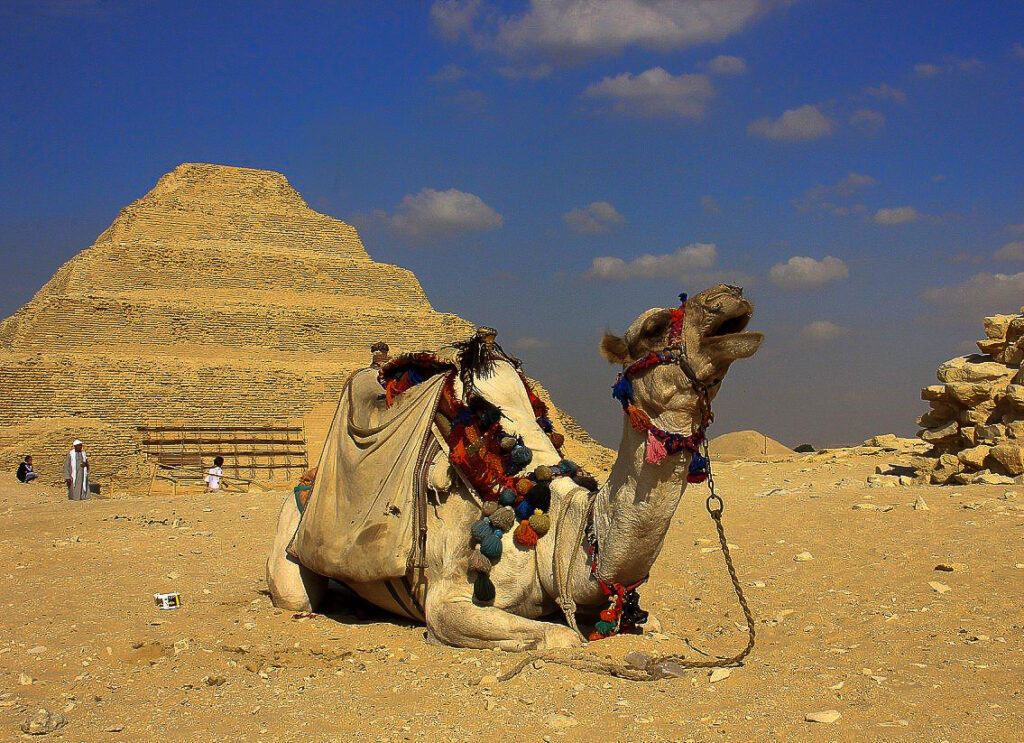
saqqara also features tombs from the First Intermediate Period (c.2181–2055 BC), Middle Kingdom (c.2055–1650 BC), and New Kingdom (c.1550–1069 BC). The New Kingdom tombs display an architectural style completely different from their Upper Egyptian counterparts in Thebes. Among them is the tomb of none other than Horemheb (c.1323–1295 BC), the non-royal individual, the general, who became king.
He was never buried here however, for, upon ascending the throne, he built a new tomb in the Valley of the Kings worthy of his royal rank.
Among the most important of Saqqara’s monuments is the Serapeum, a series of underground galleries in which the Apis Bulls were buried from the Eighteenth Dynasty (c.1550–1295 BC) to the Ptolemaic Period (332–30 BC). The Apis Bull was considered an incarnation of Ptah himself, one of the most important gods of Memphis, and as such, there was only ever one Apis Bull at a time.
When it died, it was buried with full honors until his successor could be found.
Egypt’s Coptic era is featured in Saqqara as well through the remains of the Monastery of Apa Jeremiah, which was in use until the eighth century AD. Today, Saqqara is also the site of the Imhotep Museum, in which objects from the site’s immense chronological span are displayed.
also you may need to read this article
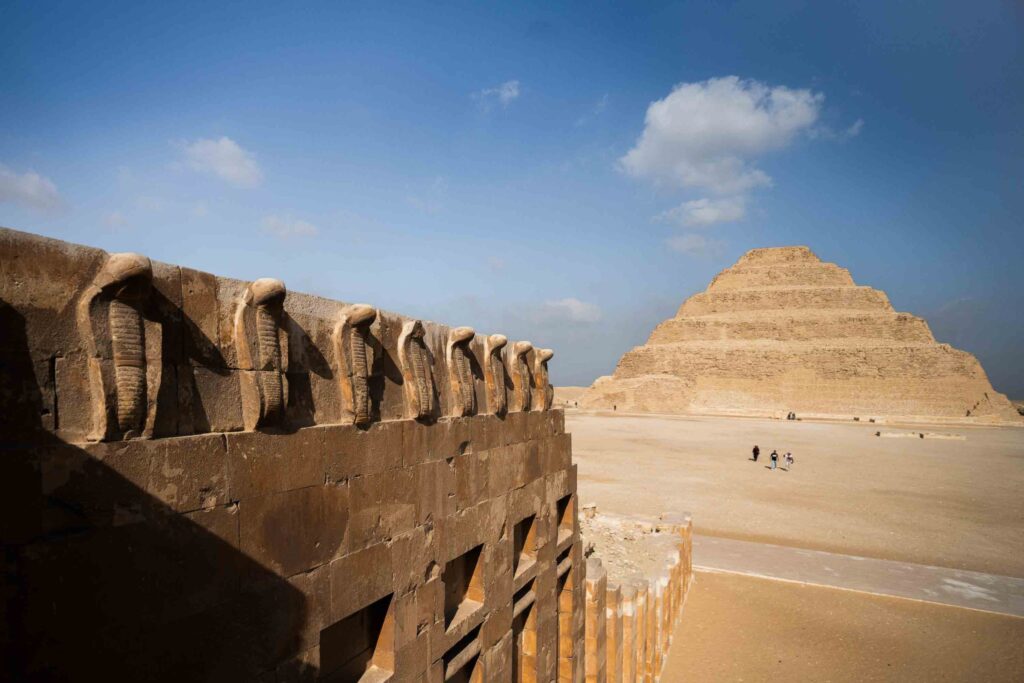
What Is Saqqara?
A portion of the necropolis associated to the ancient Egyptian metropolis of Memphis is a quaint Arab village 15 miles southwest of Cairo and just west of Cairo. The site is situated between two other noteworthy locations: Abū Ṣīr to the north and Dahshūr to the south.It creates a stunning and tranquil scene as it travels for almost five kilometers along the edge of the desert plateau. In 1979,
UNESCO designated the outstanding ancient ruins of Memphis. We have discovered some incredible things in the far north of Saqqara! These relics are the oldest ones found at Saqqara, and they’re rather unique! The fact that the mastabas themselves appear to have belonged to important officials from the 1st Dynasty (c. 2925–c. 2775 BCE) is really intriguing. It becomes even more fascinating, though, when you find out that the names of the rulers from that era were literally written inside the storage jars!
History of saqqara
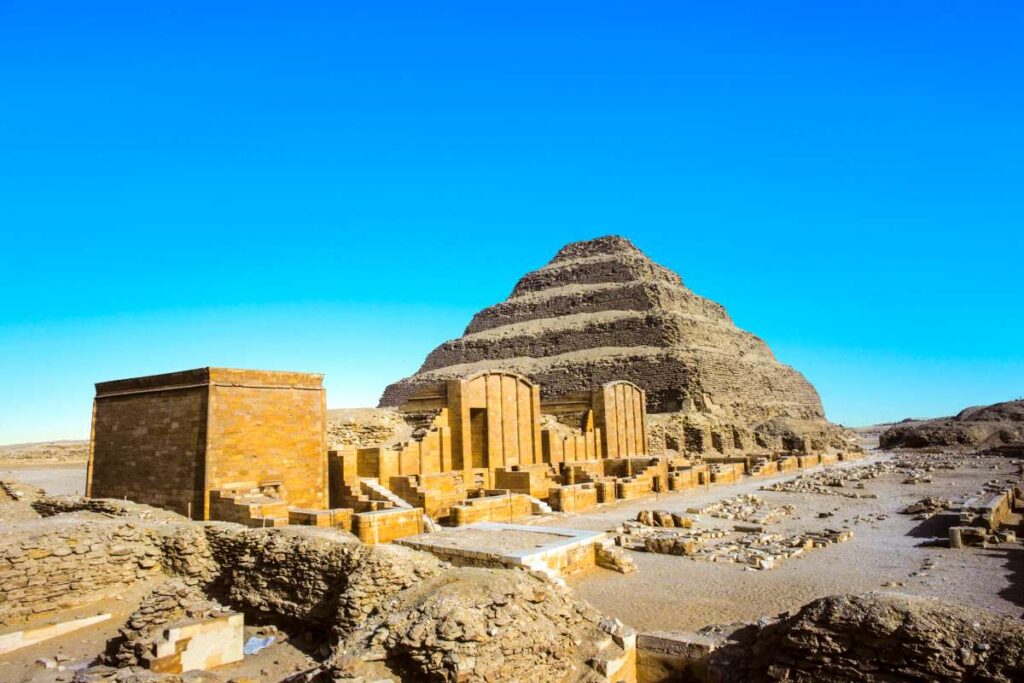
Finding out that the first known noble tombs date to the First Dynasty is fascinating! and know where is saqqara in Egypt also! The royal cemetery at that time was located in Abydos. Hotepsekhemwy, Raneb, and Nynetjer were the first monarchs to be buried at Saqqara, and they included underground chambers. These burials occurred early in the Second Dynasty.
There’s a little gap after that. Buried in Abydos are Seth-Peribsen and Khasekhemwy. Another possibility is that Khasekhemwy erected a monument in Saqqara for his deceased. Gisr el-Mudir was the name of the expansive, rectangular enclosure. It is perhaps plausible that Nynetjer owned this enclosure! It most likely served as the model for the amazing, imposing enclosure wall surrounding the Step Pyramid complex.
Imhotep’s royal tomb, Djoser’s burial complex, was extensively renovated by French architect Jean-Philippe Lauer, who spent most of his life excavating and renovating the site.
Where Is Saqaara In Egypt Located
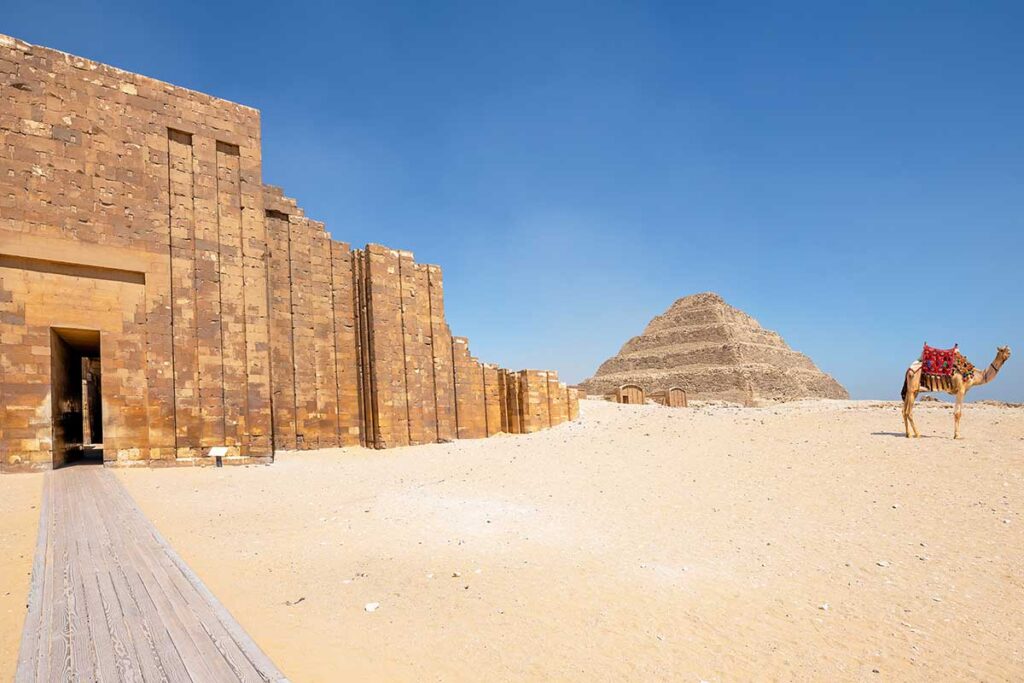
Located only 40 kilometers southwest of Cairo, you can go from the airport with the Pyramids Trip from Airport Day Trip to Saqqara is home to some of Memphis’ most significant graves. It’s understandable why Saqqara is such a significant location given that Memphis was among the most significant cities in ancient Egyptian history! The intriguing site’s name most likely derives from Sokar, the god of this necropolis.
Where Is Saqqara In Egypt On A Map
Envision an enormous area of historic tombs, extending under the intense Egyptian heat. This is Saqqara, a necropolis southwest of Egypt’s thriving capital city of Cairo. It’s a location where the ancient stones and sands of time carry the resonance of past events. Saqqara is located roughly 15 miles (24 kilometers) southwest of Cairo on a map. It is a portion of Memphis,
the former Old Kingdom capital of ancient Egypt. The site borders other important archeological sites such as Abu Sir and Dahshur as it stretches along the edge of the desert plateau. Simply visualize an Egyptian map in your thoughts. If you go to the pyramids trip from cairo day trip can you see cairo bustling there? now, my friend, just a little further west.
It’s right there! Saqqara is tucked away between Cairo and the well-known Giza Plateau, home of the enormous pyramids. an excellent opportunity to learn more about the interesting legends of ancient Egypt if you’re interested!
What to See in Saqqara
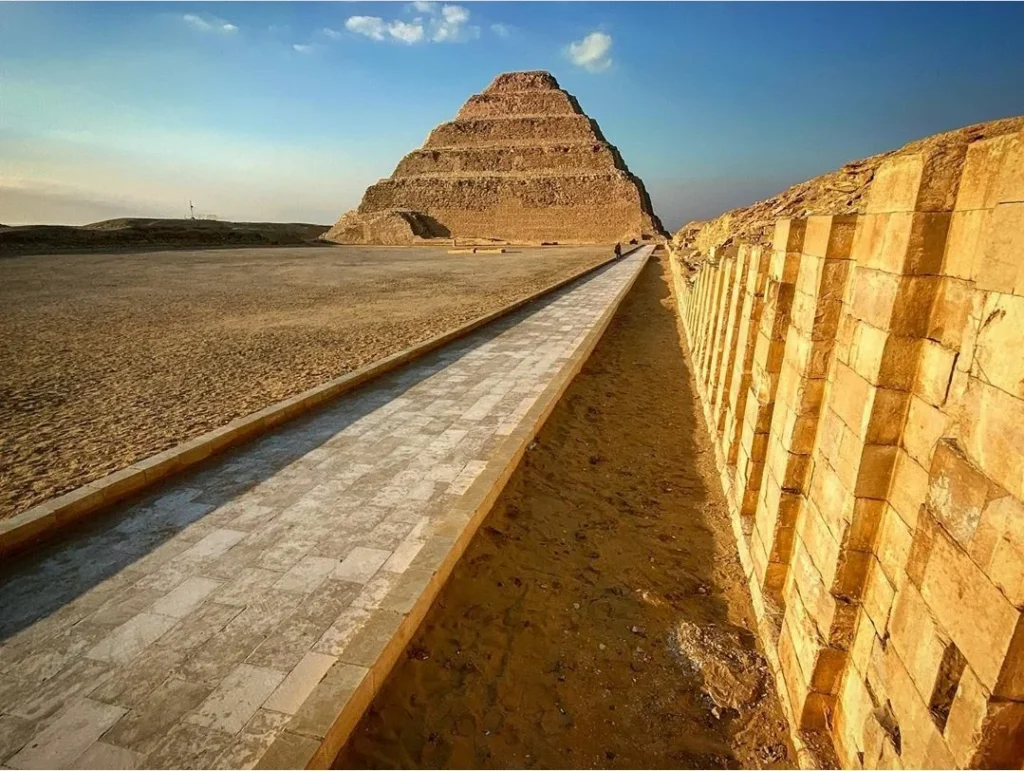
The Step Pyramid complex of Djoser, the second king of the Third Dynasty (c. 2650–c. 2575 bce), is located south of the Early Dynastic cemetery. Imhotep, Djoser’s architect, created a new pyramid-shaped burial edifice for the monarch in six phases. The enormous network of halls and courts surrounding the pyramid is where the first examples of mud brick, wood, and reed construction were transformed into exquisite limestone. Maṣṭabat Firſawn,
a coffin-shaped tomb, was built by Shepseskaf of the 4th dynasty (c. 2575–c. 2465 bce), and numerous kings of the 5th dynasty (c. 2465–c. 2325 bce) also built their pyramids at Ṣaqqārah. The first person to write on the walls of the Fifth Dynasty was Unas, the last king. Pyramid Texts were kept in monarchs’ chambers to ensure life and nourishment. 6th dynasty rulers engraved them in subterranean rooms, with the 13th dynasty king having the most southerly pyramid
Top Attractions In Saqqara And The Famous Egypt Tombs There
Teti Pyramid
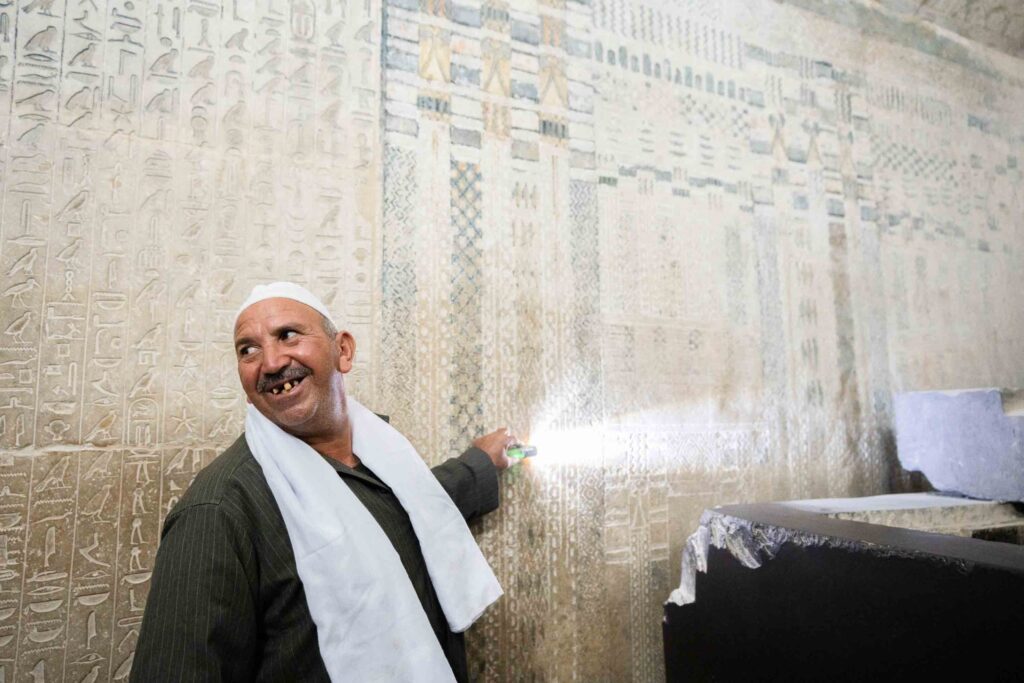
A lot of the later pyramids of Saqqara were constructed during a period of economic hardship, and the quality of the materials used was subpar. Luckily, twelve pyramids survive in addition to Djoser’s incredible work of art. You can even explore a few of these! The Pyramid of Teti is the most remarkable of all these amazing constructions. This is because Teti, a pharaoh from the Sixth Dynasty, is buried there and his inscribed basalt coffin is still there inside the burial chamber! Beautiful hieroglyphic spells from the Pyramid Texts cover the inside walls.