Independent Travel vs. Nile Cruise : Benefits and Drawbacks: Which Is Best for You?
Which course ought you to follow?
This goes beyond simply deciding between independent vacation and a Nile cruise. It’s about figuring out what kind of traveler you are, what matters most to you, and which strategy will help you make lifelong memories of Egypt. Because the truth is that, depending on how well they suit your travel preferences, each choice could be utterly amazing or utterly awful.
After reading this thorough guide, you will know precisely which option is best for your trip along one of the most fabled rivers in the world: buying a Nile cruise package or exploring Egypt’s historic wonders on your own.
Knowing Your Choices: What We’re Really Comparing

What Exactly Is a Nile Cruise?
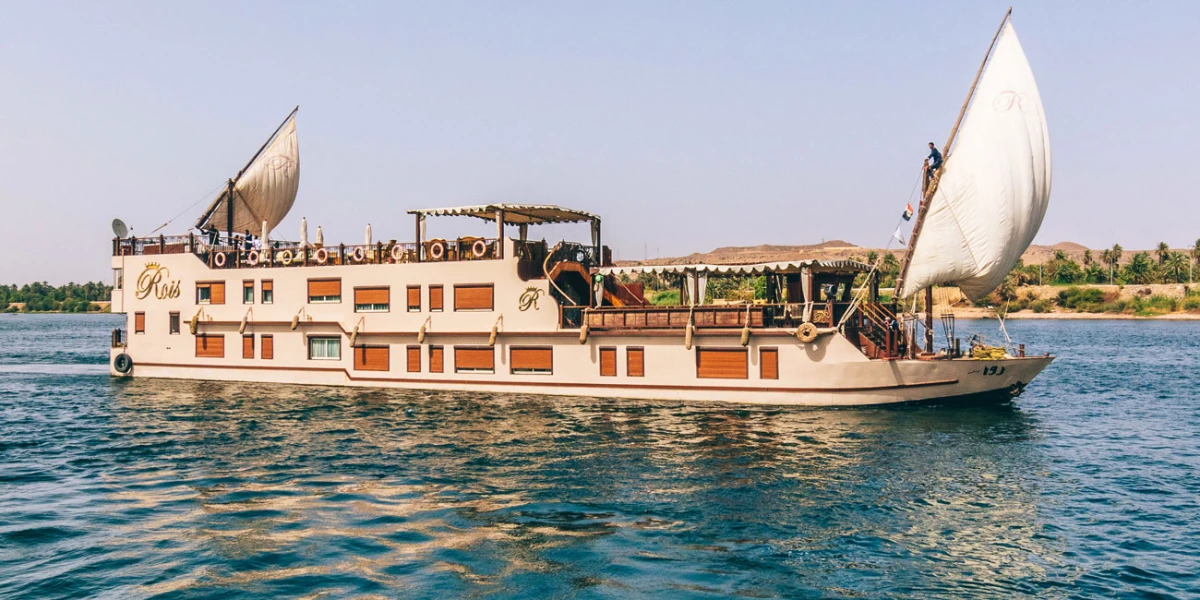
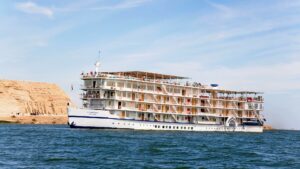
Nile river cruises are a type of scheduled vacation in which you stay on a floating hotel while sailing between Luxor and Aswan (or the other route), waking up at a different ancient site every morning. Imagine it as an all-inclusive resort that moves with ease, transporting you from the Valley of the Kings to Philae Temple while you rest, enjoy fine dining, and relax by the pool.
The majority of Nile cruises, which take a well-known route that passes through some of Egypt’s most famous archaeological sites, endure three to seven nights. A single package price includes your lodging, all meals, professional Egyptologist-led excursions, temple entrance fees, and onboard entertainment. After unpacking and settling into your cabin with views of the Nile, and allow the river to transport you across three millennia of history.
Daily morning trips to temples and tombs, afternoons spent sailing or lounging on board, and evenings spent taking in Egyptian cultural performances, gala dinners, or just watching the sun set over the desert from the sun deck are typical aspects of the experience. It’s a floating bundle that combines elegance, convenience, and knowledge.
What Does Independent Nile Travel Actually Mean?
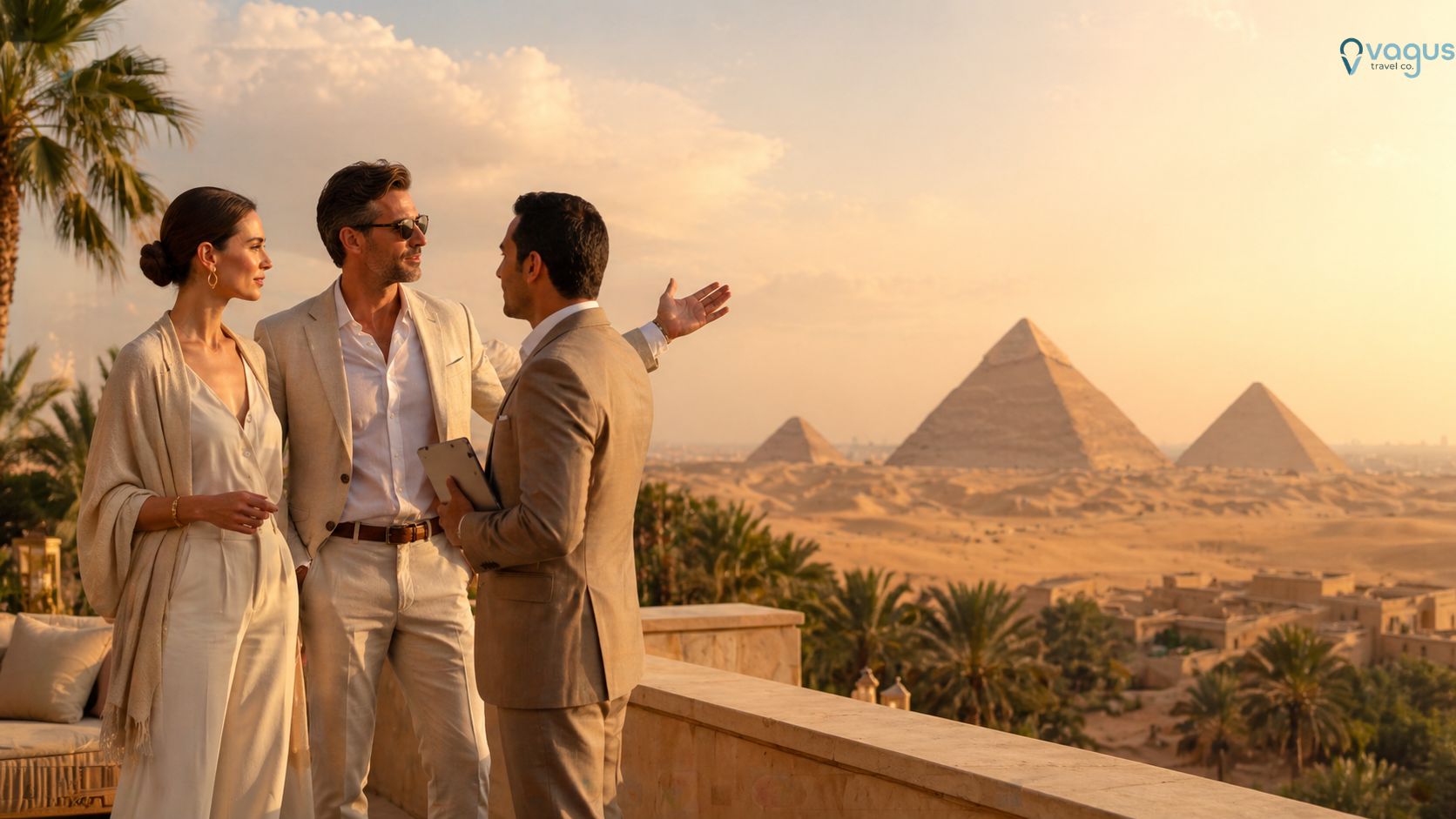
You are in charge of your own Egyptian trip when you travel independently along the Nile. You make your own hotel reservations in Aswan, Luxor, and all points in between. You make arrangements for transportation, including private vehicles, trains, and the occasional felucca sailboat. You choose where to eat dinner, when to get up, which temples to visit, and how long to stay at each location. You can travel alone with a guidebook or hire guides at specific temples.
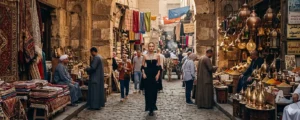
You’re seeing the same places from an entirely different perspective rather than floating down the Nile on a Nile cruise ship. You’re bargaining with taxi drivers, traversing Egyptian streets, finding local eateries that cruise passengers never see, and piecing together Egyptian logistics one piece at a time. Because you earned every experience via your own efforts, it’s messier, more genuine, undoubtedly more difficult, and frequently far more unforgettable.
Think of it as the difference between taking a guided museum tour and exploring the same museum at your own speed, discovering things on your own, getting lost sometimes, and being able to spend three hours gazing at a single artifact if it piques your interest.
Is a Nile cruise worth the money compared to independent travel in Egypt?

Convenience That Transforms Everything
Imagine being able to visit Egypt’s most amazing archaeological sites without having to worry about where you’ll stay the night, how you’ll get there the next day, or whether you purchased the correct admission ticket. For many tourists, a Nile cruise is worth every high-end dollar because of this core promise.
Imagine waking up to discover that your floating hotel has spent the night at Edfu Temple. It’s time for breakfast. You are greeted in the lobby by your Egyptologist guide. The admission passes have already been bought. Outside, a bus with air conditioning sits. While someone else takes care of all the logistics, you just follow along, camera in hand. You return to the ship for lunch as it sets sail for your next destination after touring one of Egypt’s best-preserved temples. No hotel check-out. No transportation was found. No carrying bags through strange towns.
This degree of convenience is especially appealing to first-time visitors to Egypt who might be intimidated by the logistics of independent travel in a nation where bureaucracy can be Byzantine, English isn’t widely spoken, and the difference between tourist and local prices necessitates constant haggling. You are effectively paying someone else to take care of all the stress when you reserve a Nile cruise, allowing you to fully concentrate on discovering ancient Egypt.
Independent Travel vs. Nile Cruise : Benefits and Drawbacks: Which Is Best for You
The Distinction of Egyptologists
There are 134 enormous columns covered in hieroglyphs when you stand in front of the Hypostyle Hall of Karnak Temple. Indeed, lovely. However, what are you really observing? Even the most exquisite Egyptian monuments become beautiful but meaningless stone configurations in the absence of context.
Now picture yourself in the same location as an Egyptologist who studied ancient Egypt at Cairo University for six years. All of a sudden, those hieroglyphs are more than just symbols; they provide information about Ramesses II’s political propaganda, religious devotions, and military exploits. The placement of the columns is not random; in Egyptian cosmology, it symbolizes the primordial marsh from whence creation originated. The faded paintings on the ceiling show the goddess Nut giving birth to the sun every morning and consuming it every evening.
Professional Egyptologist experts accompany every Nile cruise, turning your visits to temples into meaningful historical experiences rather than just photo ops. These are certified specialists who can respond to your specific inquiries, decipher hieroglyphic inscriptions, describe the architectural development of Egyptian temples, and relate what you’re seeing to more general patterns in ancient Egyptian civilization. They are not just tour guides reading from scripts.
Is it possible to employ advisors on your own? Of course. However, you will have to pay between $30 and $50 for each site, take the time to locate trustworthy guides rather than con artists, and handle the practicalities of making guide reservations at each location. A Nile cruise incorporates this knowledge into the cost of your package and guarantees that you never overlook important background information that brings ancient Egypt to life.

Elegance and Comfort in the Pharaohs’ Land
Summertime temperatures in Egypt can reach 45°C (113°F). Midday temperatures can approach 30°C (86°F), even in the winter. Which sounds more desirable after three hours of exploring the Valley of the Kings under the desert sun: heading back to your inexpensive accommodation and hope the air conditioning works, or heading back to the swimming pool and air-conditioned cabin of your Nile cruise liner with views of the Nile?
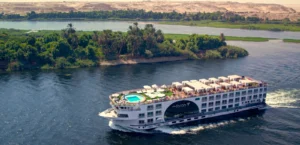
With amenities tailored to the Egyptian environment, contemporary Nile cruise ships provide opulent hotel-level accommodation. private cabins that typically have balconies with views of the Nile and private bathrooms. sun decks with lounging sections and pools. There are several restaurants offering Egyptian and foreign food. Bars offer refreshing beverages while you gaze at the passing riverbanks. gyms, spas, and nighttime entertainment. In terms of quality and service, some luxury ships are on par with five-star hotels.
You might be surprised to learn how important this comfort level is. It takes a lot of walking, climbing steps, and standing in the heat to explore old tombs and temples. Your enjoyment of Egypt is greatly impacted by having a cozy place to relax, rejuvenate, and get ready for the activities of the next day. When you reserve a Nile cruise, you’re not simply purchasing transportation and guides; you’re also purchasing the passion and energy necessary to thoroughly appreciate each new marvel.

Social Networks That Improve Traveling Alone
Are you traveling alone yet detest dining by yourself every night? The immediate sense of community you experience on a Nile cruise is one of the unanticipated benefits. Depending on the size of the ship, a group of 60 to 200 visitors exploring Egypt together naturally generates social chances that solitary travel just cannot match.
Over dinner, you’ll meet individuals from all over the world, exchange stories about your excursions, compare pictures over evening beverages, and frequently make lifelong connections. This built-in social network is especially useful for lone travelers because it allows you to travel alone without being compelled to constantly engage with other people. Would you like to have supper and chat with Australian retirees? Fantastic. Would you rather eat by yourself tonight? Okay, too.
The experience itself is also improved by this social component. Collective gasps at the hieroglyphic detail in Ramesses II’s tomb, group excitement over tomorrow’s excursion to Abu Simbel, and shared awe at first viewing the Temple of Hatshepsut—these group reactions magnify individual experiences in ways that lonely temple visits never quite match.

Independent Travel vs. Nile Cruise : Benefits and Drawbacks: Which Is Best for You?
Peace of mind, safety, and security
Let’s have an open discussion regarding traveler safety issues in Egypt, especially for women traveling alone or first-time tourists to the Middle East. Although Egypt is generally secure for tourists, especially in popular tourist destinations like Luxor and Aswan, there are legitimate concerns about harassment, frauds, and adjusting to new cultural norms.
Independent passengers must create their own security and support systems, but a Nile cruise offers several levels. licensed, vetted operators with reputations to safeguard. police escorts for tourists on specific trips. Safe ship accommodations that protect your possessions. Staff assistance is available around-the-clock in case something goes wrong. Help in English for every difficulty, including misplaced passports and health problems. Premium packages frequently include travel insurance.
This security infrastructure justifies the high price of the Nile cruise for many visitors, particularly those who are unfamiliar to developing nations or are traveling alone. You’re paying for more than simply convenience; you’re paying for the assurance that knowledgeable experts will support you in the event of any problems, from small annoyances to real crises.
The Nile Cruise Trade-Offs: What You Sacrifice for Convenience
The Price Increase You’ll Incur
Let’s face it: taking a Nile cruise is far more expensive than traveling the same distance on your own. How much more? For similar experiences, it is usually two to three times as costly, and depending on the ship type and season, it can occasionally be even more.
Budget three-star ships cost $450 for a four-night Nile cruise from Luxor to Aswan, while luxury five-star cruises cost more than $1,500. That’s for each individual. You can easily spend $600–2,000 for four days if you include incidental costs, optional excursions like Abu Simbel ($100–150), drinks (which are typically not included), and gratuities for guides and crew ($40–60 total).
Compare that to traveling the same route on your own. In Luxor and Aswan, inexpensive lodging costs between $20 and $40 a night. Tickets for trains between cities range from $10 to $20. If you visit all the same locations, the total cost of temple admission is about $90. Meals at local restaurants cost between $5 and $15. You will spend $300–500 for an experience that includes the same temples and locations, even if you hire private guides at key temples ($30–50 per site).
It’s a big price difference. The question then becomes whether spending twice or three times is justified by the convenience, guidance, opulent lodging, and all-encompassing experience. Absolutely, for some travelers. Probably not for those on a tight budget or those who prioritize genuine local experiences over comfort.
History of Egypt Nile River Cruise
The Fixed Schedule’s Tyranny
One of the most frequent complaints from Nile cruise passengers goes something like this: “We spent three hours at Edfu Temple, which felt too long since it was hot and we’d already seen similar temples, but we only got ninety minutes at Luxor’s west bank, which wasn’t nearly enough time to properly explore the Valley of the Kings, and I would have gladly skipped Kom Ombo entirely to spend more time at Karnak.”
When you book a Nile cruise, you’re accepting someone else’s schedule, pace, and priorities. Wake-up calls at 5:30 AM for early temple visits. Breakfast at 6:30 AM. Departure at 7:00 AM sharp. Return by noon for lunch and sailing. No sleeping in, even if you’re exhausted. No lingering at temples that captivate you. No skipping sites that bore you. The ship sails on schedule, and you’re either aboard following the program or you’re left behind.
Independent-minded tourists who detest being told when to eat, move, and wake up are irritated by this regimentation. Additionally, because your schedule was predetermined by the Nile cruise plan, you may hurry by temples you like while wasting hours at places you don’t find interesting.
There is true value in flexibility. When you’ve paid in advance for a set itinerary, you don’t have the flexibility to say things like “You know what, I’m fascinated by Luxor and I want to spend three full days exploring instead of the one day the cruise allows” or “I don’t care about Edfu Temple, I’d rather spend that time in Aswan’s Nubian villages”.
Independent Travel vs. Nile Cruise : Benefits and Drawbacks: Which Is Best for You?
The Bubble of Tourists Protecting You From the Real Egypt
An average day on a Nile cruise looks like this: On the ship, awaken. Join other visitors for breakfast aboard the cruise. Go to a temple where hundreds of other cruise visitors are visiting at the same time in an air-conditioned bus with other tourists. Go back to the ship to eat lunch with other travelers. While relaxing on the ship with other tourists, sail to the next location. Have dinner aboard the ship. Enjoy entertainment on board with other travelers. Take a nap aboard the ship.
What’s missing, you ask? any significant engagement with real Egyptians outside of service personnel. any encounter with modern Egyptian life. any genuine local experiences that don’t include buying trinkets.
By design, the Nile cruise experience shields you from the chaos, difficulties, and genuineness of actual Egypt. You’re seeing ancient Egypt through a sterilized, tightly regulated prism that shields you from discomfort but also keeps you from really immersing yourself in the culture. Instead of traditional Egyptian cuisine, you eat a buffet that is tailored to the tastes of people from other countries. Instead of staying in family-run guesthouses, you stay in a floating luxury hotel. Instead of regular Egyptians going about their daily lives, you mostly engage with other visitors and Egyptologists.
Some tourists find this insulation to be just what they’re looking for—why deal with the craziness of Egypt when you can see the highlights in comfort? However, the Nile cruise bubble seems like a lost chance for cultural vultures who think the purpose of travel is to explore other cultures.
At Peak Sites, Crowd Chaos
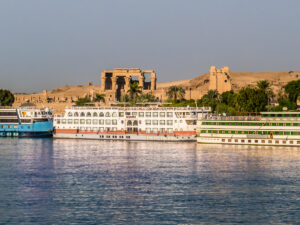
Imagine this typical situation: Between 8:00 and 10:00 AM, twenty Nile cruise ships arrive at Edfu Temple. Each ship can accommodate 60–200 people. All of a sudden, 1,500 people are trying to explore the same temple at the same time, causing traffic jams in well-liked photo locations, making it almost difficult to have a calm moment of reflection, and transforming your visit into a competitive jostling battle for position.
Popular Nile cruise destinations, like Edfu, Kom Ombo, and Philae Temple, suffer from this congestion issue. Tourist tsunamis are predictable because most cruises arrive at the same locations at the same times due to their practically identical schedules. Photobombing strangers ruins your professional photos. Tour groups yelling over one another ruins the feeling of old mystery. Your dream of having a close relationship with history turns into a hurried, packed experience.
By arriving at temples during off-peak hours, like as extremely early morning or late afternoon when cruise ships have departed, independent travelers can intentionally avoid these crowds. However, passengers on Nile cruises are forced to follow the ship’s timetable, which nearly invariably places you at popular locations at precisely the same time as every other cruise.
Financial Independence: Where Your Money Goes
Let’s discuss what you can purchase in Egypt for $800. That sum might pay for a mid-range four-night Nile cruise or over two weeks of solo travel that would allow you to see much more of Egypt than is included in any cruise program.
If you’re on a tight budget, independent travel along the Nile costs about $30 to $50 per day; if you like pleasant mid-range lodging and occasional indulgences, it costs between $80 and $120 per day. That covers everything, including lodging, transportation, meals, admission costs, and occasionally paid guides. You may have enough money to tour Cairo, the Red Sea coast, the White Desert, or anything else that piques your interest after spending three nights on a cruise ship for a week of independent Nile exploration.
For younger tourists, long backpacking journeys, or anyone for whom Egypt is only one stop on a longer journey, this budget flexibility is very important. You can fund new places, prolong your vacation by weeks, or just put the money you save for your next excursion back into your savings account.
However, controlling where your money goes is more important than simply cutting back on spending. When you pay individually, you can choose to spend less on things that don’t important to you (like staying at a cheap hotel rather than a luxurious one) and more on experiences that do (like hiring a private guide for a half-day photography session in the Valley of the Kings). These priorities are determined for you by a Nile cruise package.
Nile River Cruise
The Intoxicating Freedom of Making Your Own Schedule
What if, instead of taking the hurried half-day Nile cruise ships, you find yourself completely enthralled by Luxor’s west bank and wish to spend three full days seeing the Valley of the Kings, Valley of the Queens, worker’s village at Deir el-Medina, and other noble’s tombs? If you’re traveling alone, all you have to do is extend your stay at the Luxor hotel, change your next mode of transportation, and stay as long as you like.
Travel becomes an organic trip formed by what truly captures your imagination instead of a checklist of recommended experiences when you have the freedom to pursue your interests. Have you fallen in love with the Nubian culture of Aswan? Spend additional time discovering the distinctive customs of Nubian settlements. After seeing a Ptolemaic temple, have you come to the conclusion that you don’t really care about them?Skip Edfu and Kom Ombo entirely, saving time and money for experiences you value more.
Moments of serendipity like sleeping in when you’re tired, taking rest days when you need them, altering your entire itinerary based on a conversation with a fellow traveler, or accepting an invitation to a local’s house for dinner on the spur of the moment are just not possible on a Nile cruise that operates on military precision schedules. Independent travel gives up convenience and certainty in favor of opportunity and exploration.
Independent Travel vs. Nile Cruise : Benefits and Drawbacks: Which Is Best for You?
Authentic Egypt Beyond the Tourist Postcards
The Egypt you experience alone bears little relation to the Egypt visible from a Nile cruise ship. There are street sellers cooking corn on the cob, small neighborhood eateries serving koshary for $2, and family-run cafeterias where you point at pots of simmering stews because there are no menus. You’ll find the ideal coffee shop that tourists never locate while navigating the maze of local transit and becoming hopelessly lost in Luxor’s backstreets. The owner’s grandma will feed you, teach you Arabic phrases, and show you pictures of her grandchildren while you stay in family-run guesthouses.
The memories you will tell for years are created by these genuine moments. Not because “I saw the Temple of Karnak” (which every visitor sees), but “I got lost trying to find Karnak and ended up drinking tea with a shopkeeper who showed me his grandfather’s photographs from the 1952 revolution, then walked me to the temple himself and refused to accept payment.” Seeing Egypt is not the same as experiencing it.
Additionally, independent travel enables cross-cultural interaction that is not feasible within the Nile cruise bubble. You’re a traveler experiencing Egyptian life alongside Egyptians, which gives opportunity for actual engagement rather than commercial tourist-local relationships. You’re not a clearly wealthy tourist temporarily dropped at temples before retiring to your luxury cruise.
The Benefit of Photography: Deserted Temples at Dawn
For one straightforward reason, serious photographers almost always prefer for solo travel over Nile cruise restrictions: they can visit temples at the best times, when cruise passengers have either not yet arrived or have already departed.
Imagine taking pictures of the Hypostyle Hall at Karnak Temple at six in the morning when it opens, with three other early-bird tourists in sight and golden morning light flooding through the columns. Compare that to coming with your cruise group at 9:00 AM, when hundreds of visitors cram into every available photo spot, the harsh noon light casts horrible shadows, and it’s almost difficult to get a picture without others in the frame.
Independent tourists might schedule their temple visits according to certain photographic objectives, crowd patterns, and light quality. If the weather wasn’t ideal, they may go back to the same place several times. Instead of hurrying through a tour group timetable, they can wait for the ideal opportunity for hours. This flexibility is crucial for anyone who is serious about trip photography, but it is unattainable on a Nile cruise.
The Independent Travel Challenges: What Makes It Hard
The Never-Ending Logistics Load
When traveling on your own, you are responsible for every choice. Where should I spend the night? How can I travel to Aswan from Luxor? Which temples should I visit, and in what order? How can I choose a trustworthy advisor over a con artist? Where should I eat? How much does a cab cost? When does the temple open? Are websites going to be closed tomorrow due to a holiday?
Some travelers get their energy from constantly making decisions and solving problems; they enjoy the challenge, the sense of achievement, and the thrill of figuring it out. However, it wears out those who would want to concentrate on exploring Egypt rather than handling logistics. After spending several days negotiating pricing, navigating Egyptian bureaucracy, overcoming language obstacles, and resolving transportation-related issues,
There is a real cognitive load. You are a traveler, a travel agent, an accountant, a navigator, and a cultural interpreter all at once. That consumes mental energy that could be used to truly appreciate and experience what you’re viewing.
Lacking the Expertise That Makes Ruins Come to Life
If you don’t have an Egyptologist with you when you go through the Valley of the Kings, you’ll be staring at ornately decorated tombs without knowing the importance, mythology, symbolism, or historical background of what you’re seeing. A key component of Egyptian cosmology and resurrection beliefs, the exquisite ceiling depicts the goddess Nut eating the sun god Ra every nightfall. But you miss these levels of meaning if you don’t have professional advice.
Although you can hire guides on your own, the quality varies greatly, and even good guides can cost between $30 and $50 per major site. Spend $200–400 on guides alone if you visit six or eight temples on your Nile trip. This money could have been used on a Nile cruise package that includes knowledgeable Egyptologists all along the way.
As an alternative, you can educate yourself, pack comprehensive guidebooks, and do a lot of study before your trip. However, having a specialist present to address your individual queries, pick up on subtleties you might miss, and modify explanations according to your unique interests and level of expertise is something that cannot be replaced.
Safety Concerns and Cultural Navigation
For independent travelers, especially women traveling alone, Egypt poses significant hurdles. Street harassment can be tiresome and ongoing. Scammers use complex strategies to attract travelers. In order to inflate prices, taxi drivers may take detours. In cities where street signs are either nonexistent or not in English, navigation can be quite challenging. Navigating a new healthcare system is necessary during medical emergencies.
Every year, millions of independent tourists successfully traverse Egypt, proving that none of these obstacles are insurmountable. However, not all travelers have these qualities—vigilance, cultural knowledge, street smarts, and emotional fortitude. Your enjoyment of Egypt may be diminished by the stress of always worrying about if I’m being conned, whether this is safe, and whether I should trust this individual.
A Nile cruise’s professional support systems, vetted service providers, and security infrastructure alleviate or reduce the majority of these worries. You’re exchanging freedom for mental tranquility.
Making Your Decision: Which Path Is Right for You?
Choose a Nile Cruise If You Value:
Convenience and comfort take precedence over authenticity and adventure. A Nile cruise offers the ideal Egypt experience if the thought of navigating Egyptian logistics makes you nervous rather than excited, if you would rather know exactly what to expect than embrace uncertainty, or if you would rather make the most of your temple time rather than spend hours organizing transportation.
professional advice all along the way. The included Egyptologist guides justify the higher price of the Nile cruise if you value comprehending what you’re seeing, if you want to ask questions and get professional answers, or if context and historical depth increase your appreciation of ancient places.
The romance of actually floating the Nile, luxury, and social interaction. If you’ve always wanted to have a refreshing drink while watching the sunset over the Nile from your ship’s sun deck, if interacting with other travelers enhances your trip, and if comfort and facilities are important to you, a Nile cruise offers all of these things more effectively than solo travel could.
Choose Independent Travel If You Prioritize:
financial liberty and a budget. Independent travel offers far higher value per dollar spent if you’re on a low budget, prefer to extend your vacation rather than upgrading your lodging, or desire control over every dollar spent.
freedom and adaptability to pursue your interests. The flexibility of autonomous travel is crucial if strict schedules irritate you, if you want the freedom to alter plans on the spur of the moment, or if you would rather to spend three days at one amazing place rather than race through ten sites on a set itinerary.
genuine local encounters and cultural absorption. If you want to eat where locals eat and stay where locals stay, if you think the purpose of travel is to experience diverse cultures, if you feel that tourist bubbles are empty and you yearn for real cross-cultural exchange, then independent travel opens doors Nile cruise passengers never see.
The Hybrid Approach: Best of Both Worlds?
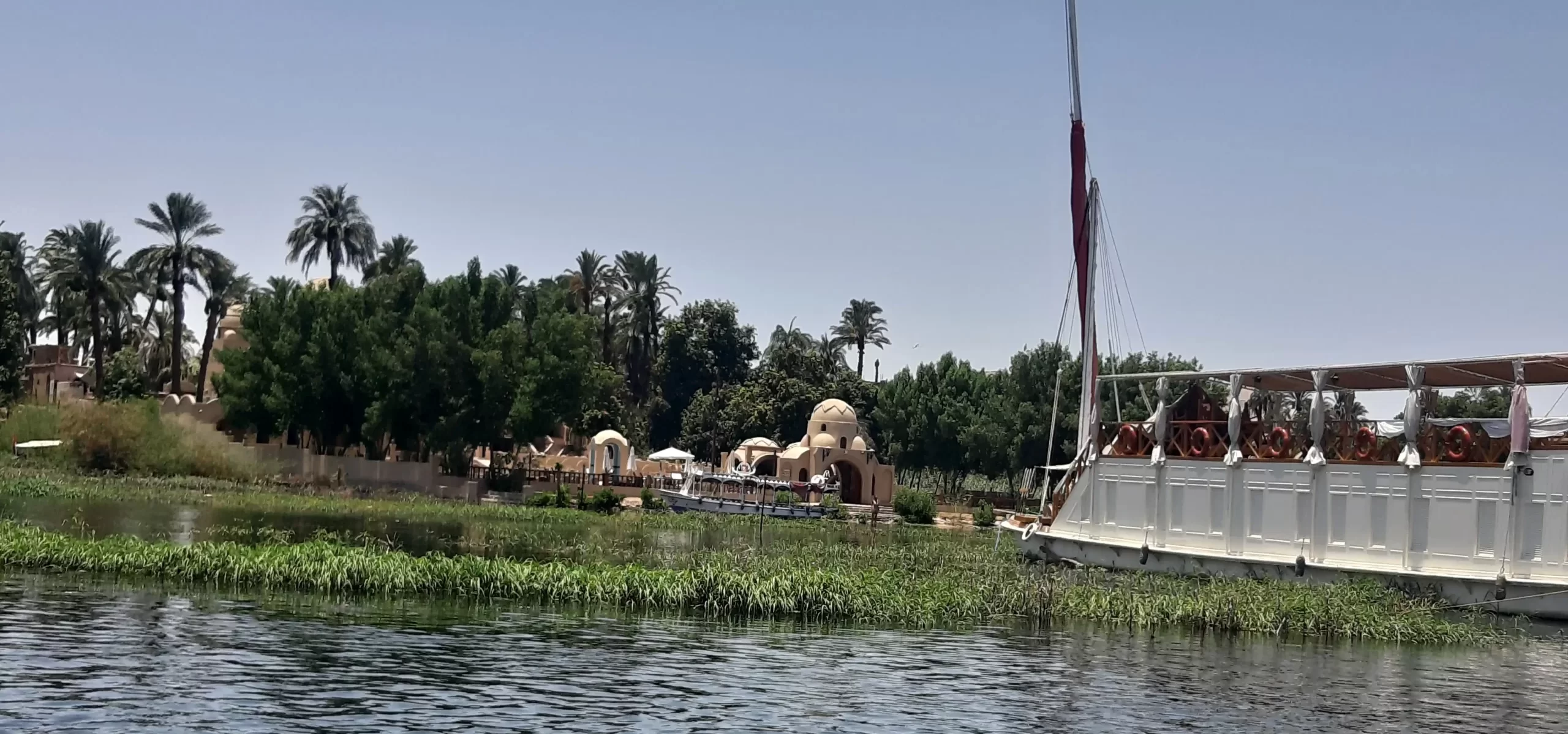
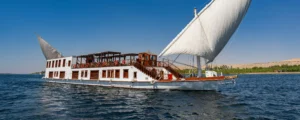
Unable to make a decision? Some tourists successfully blend the two strategies. To effectively visit the main sites between Luxor and Aswan under professional guidance, take a three or four-night Nile cruise. Then, spend a few autonomous days in Luxor either before or after the cruise to explore at your own pace. For a distinctive Nile sailing experience without the crowds and stiffness of big cruise ships, go independently and reserve a smaller, more intimate dahabiya sailboat (traditional wooden boats with 6–12 passengers).
By balancing ease and flexibility, this hybrid technique minimizes the negative aspects of each type while allowing you to enjoy the greatest aspects of both.
The Honest Truth: There’s No Wrong Choice
What matters most is that, when they fit your travel preferences, values, and situation, both individual travel and Nile cruise packages may produce truly amazing Egyptian experiences. The “best” option is quite individualized and not universal.
When convenience, knowledge, and a thorough experience are more important to you than cost or complete freedom, a Nile cruise becomes the ideal option. When authenticity, flexibility, and worth triumph against the allure of structured comfort, independent travel shines.
Be honest with yourself. Make the right decision. After that, truly dedicate yourself to maximizing the path you choose. Because you’re going to see one of the most amazing places on earth, whether you’re sailing down the Nile in an opulent ship or exploring Egyptian alleys with a bag and a phrase book.
For thousands of years, people have traveled along the Nile. It simply keeps flowing, everlasting and wonderful, ready to offer its ancient secrets with anyone intelligent enough to follow its course. It doesn’t care if you arrive by cruise ship or on your own.