Luxor Travel Guide
Constructed on Thebes’ site, this ancient metropolis is Egypt’s most concentrated archaeological marvel. Temples, tombs, and monuments that formerly held pharaohs and gods may be seen around every corner. Luxor is divided by the Nile River into two unique areas: the West Bank, where ancient kings found eternal rest, and the East Bank, which has a living city and magnificent temples.
The majority of our Egypt vacation packages spend two to three days here because Luxor genuinely deserves that amount of time. We have spent decades escorting tourists through these hallowed grounds. Understanding Luxor’s rhythm will turn your trip to Egypt from a tourist checklist to a deep cultural immersion, regardless of how long you want to stay.
Contents Table
- Comprehending the East Bank and West Bank of Luxor
-
Organizing Your Itinerary for Luxor: Time and Priorities
- Crucial Useful Information for First-Time Travelers
- Immersion in Culture Outside of Ancient Sites
- Making the Most of Your Archaeological Adventure
- Traveling and Navigating Luxor
- Options for Accommodation and Location Strategy
- Unusual Opportunities and Special Experiences
- Discover Luxor as It Was Intended to Be Seen
- Common Questions
The Living East Bank: Ancient Glory and Modern City Collide
The Luxor East Bank is home to some of the most spectacular monuments in history and is teeming with modern Egyptian life. The monuments that have stood for millennia are navigated by the people as they go about their daily lives. Located in the center of the contemporary city, the Temple of Luxor is lighted by the nighttime sky as families walk along the corniche. The 200-acre Karnak Temple Complex, located just north, is home to several temples, shrines, and hallowed lakes that date back more than 1,300 years.
The recently renovated Avenue of Sphinxes, a 2.7-kilometer processional walkway adorned with hundreds of sphinxes with human and ram heads, connects Luxor Temple to Karnak as it did 3,400 years ago.
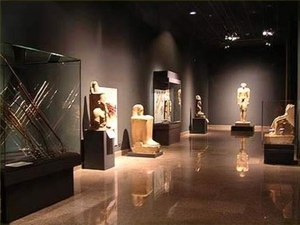
Amenhotep III and Tutankhamun’s masterpieces are among the exquisitely chosen statues, royal mummies, and treasures from Luxor’s temples and tombs that make up the Luxor Museum.
With genuine equipment, human and sacred animal mummies, and step-by-step displays, the Mummification Museum is a modest but intriguing museum devoted to the ancient Egyptian skill of preserving the dead.
The most comfortable time to explore the temple is in the morning, between 6:00 and 9:00, when there are fewer people and golden light. Both temples offer evening entertainment in the form of music and light shows, although Karnak’s rendition provides better historical commentary.
The Valley of kings on the Sacred West Bank

Because the sun “died” there every evening before rising again at dawn, the ancient Egyptians decided to build their necropolis at the Luxor West Bank. The Valley of the Kings, Valley of the Queens, and several mortuary temples cut into limestone cliffs can all be found in this enormous archaeological zone.65 tombs have been found in the Valley of the Kings,
including the well-known grave of Tutankhamun. Because of its exceptional preservation and historical significance, we advise adding the additional Tutankhamun ticket to the usual ticket that most tourists buy, which covers three tombs. The magnificent ceiling murals in Ramesses VI’s tomb show the pharaoh’s journey through the afterlife.

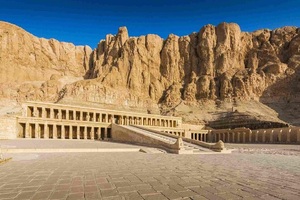
- Hatshepsut Temple (Deir el-Bahari) — the dramatic terraced mortuary temple of Egypt’s most famous female pharaoh, carved directly into the limestone cliffs and considered one of the architectural masterpieces of the ancient world

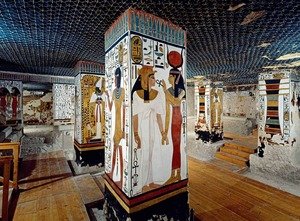
- Valley of the Queens — the burial ground of royal wives and children, home to the breathtaking tomb of Queen Nefertari, often described as the most beautifully decorated tomb ever discovered in Egypt

- Colossi of Memnon — two massive 18-metre statues of Pharaoh Amenhotep III that once guarded his now-vanished mortuary temple, famously known to ancient Greek and Roman travelers for the mysterious “singing” sounds they emitted at dawn

- Medinet Habu — the colossal mortuary temple of Ramses III, remarkably well-preserved and covered in detailed reliefs depicting his military victories, often considered Karnak’s quieter and more intact rival

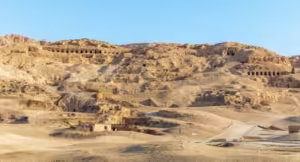
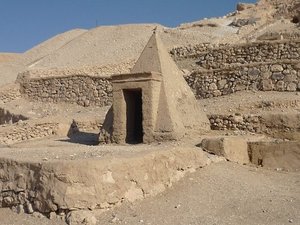
- Tombs of the Nobles — a less-visited cluster of beautifully painted tombs belonging to high-ranking officials, offering richly coloured scenes of daily life in ancient Thebes that few travelers ever get to see

The greatest time to visit the West Bank is early in the morning, when the weather is comfortable and the cliffs appear golden in the first light.
Moving Between the Banks
The classic public ferry operates every 30 minutes from 6:00 am (06:00) till dusk and costs five Egyptian pounds. Although they cost between twenty-five and fifty pounds, tourist ships have shorter wait periods and more comfortable seating. For visitors staying for several days, many hotels set up special boat transfers.

Cycling remains popular on the West Bank, with rental shops near the ferry landing offering bikes for 50-100 pounds daily. The flat terrain and network of agricultural roads make cycling pleasant, especially during cooler months.
Organizing Your Itinerary for Luxor: Time and Priorities
Major sites can be thoroughly explored in three days without having to rush. Five days allows us more in-depth cultural encounters and archaeological exploration.
The temples on the East Bank should be the main focus of your first day. Karnak Temple opens at 7:00 a.m. (07:00) in the summer and 8:00 a.m. (08:00) in the winter. A thorough examination of the complex takes three to four hours. There are 134 enormous columns in the Hypostyle Hall alone, each with a capital that can accommodate 50 people. Visit the Temple of Luxor after lunch to see its various architectural styles and historical layers that span the Islamic, Roman, and Pharaonic eras.

Day two is dedicated to the royal tombs of the West Bank. To avoid the midday heat and crowds, arrive at the Valley of the Kings early. Visits in the morning are crucial for comfort because the temperature in the valley can rise above 40°C (104°F) by noon.
Visit the tombs of Egypt’s most prosperous female pharaoh, Hatshepsut, whose funerary temple rises in graceful terraces against striking cliffs.

Activities for an Extended Stay
Longer stays reveal Luxor’s hidden gems. Amazing antiquities, like as the mummies of Ramesses I and Ahmose I on display with state-of-the-art preservation methods, are housed in climate-controlled halls at the Luxor Museum. The Mummification Museum uses real instruments and preserved skeletons to demonstrate ancient Egyptian embalming procedures.
Hot air balloon rides launch before dawn, typically departing between 4:30 am (04:30) and 5:30 am (05:30) depending on season. These flights provide unparalleled aerial perspectives of the archaeological sites and Nile Valley agriculture. Balloon companies maintain strict safety protocols, with experienced pilots holding international certifications.

Crucial Useful Information for First-Time Travelers

The majority of foreign visitors land at Cairo International Airport and pay $30 for a 30-day visa there. For individuals arriving immediately by plane, Luxor Airport also offers visas. Like most visitors from Latin America, including those from Argentina, Brazil, Chile, Mexico, Colombia, Peru, and Uruguay, Europeans must comply with comparable regulations. Applications for visas may be required in advance for the majority of African and some Asian nationalities. Policies are subject to change, so always confirm current requirements before departing.
Travelers preferring to arrange paperwork in advance can also apply online for an Egypt eVisa via the official government portal.
Seasonal and Climate Factors
Extreme seasonal temperature fluctuations occur in Luxor. With daytime highs of about 23°C (73°F) and chilly evenings of 8°C (46°F), the winter months of December through February provide perfect weather. Between 10:00 am (10:00) and 4:00 pm (16:00), summer temperatures frequently rise beyond 40°C (104°F), making outdoor touring difficult.
When visiting temples, bring lightweight, long-sleeved clothing for both sun protection and reverence for hallowed locations. Walking shoes that are comfortable and have closed toes shield feet from rocky and scorching sand. All year long, refillable water bottles, wide-brimmed hats, and sunscreen are indispensable.
Budgeting and Money
Although many tourist services take US dollars and euros, Egyptian pounds are still the preferred currency. Local currency is dispensed by ATMs all across Luxor, which usually provide better exchange rates than hotel services. Set up 200–300 Egyptian pounds per day for local transportation, entry fees, and basic meals. Depending on the location, photography tickets for tombs can cost an extra 100 to 300 pounds.
In Egypt, tipping is customary. Tour guides usually get between 1000 and 2000 pounds a day from happy customers, restaurant waiters expect 10 to 12% gratuities, and hotel employees value 20 to 50 pounds for excellent service.
Immersion in Culture Outside of Ancient Sites
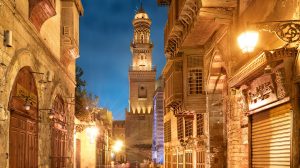
Experiences in Luxor’s daily culture are just as remarkable as its archeological treasures. Stretching over multiple alleyways close to the Temple of Luxor, the Luxor Souk sells everything from handcrafted alabaster to fabrics and spices. Local craftspeople continue to create elaborate woodwork, copper objects, and traditional jewelry using methods that have been passed down through the generations. Starting at about one-third of the original asking price, bargaining is still expected and enjoyable.

Dining Experiences and Local Cuisine
Authentic Egyptian delicacies that are frequently absent from hotel menus are served at traditional eateries. Travelers on a tight budget might find satisfying meals in Egypt’s national cuisine, koshari, which combines rice, lentils, pasta, and spiced tomato sauce. Fava bean stew, or ful medames, is typically served with fresh bread and vegetables at breakfast tables across the nation.
Travelers with sensitive stomachs should exercise caution while selecting from the quick and inexpensive options offered by street food vendors close to tourist destinations. Fresh fruit juices, traditional desserts, and grilled meat skewers offer tasty and safe substitutes for sit-down dining.

The local specialty, Luxor’s famous sugarcane juice, flows fresh from roadside presses throughout the city. This natural sweetness provides energy for long sightseeing days while supporting local vendors.
Reading Stone’s Tales
Nearly every surface of Luxor’s temples is covered in hieroglyphic writings that narrate tales of religious beliefs, royal accomplishments, and divine rites. Visitors can recognize many pharaohs around the sites because to the cartouches, which are oval-shaped symbols with royal names on them. Knowing these fundamentals turns carved walls from decoration into story. Ankh symbols symbolize for life, while the eye of Horus offers protection.

Religious scenes often follow certain patterns: regular people appear smallest, pharaohs stand equal to deities (indicating their divine position), and gods appear greater than humanity. The degree of preservation varies greatly between locations; after 3,000 years, some tombs still have their original paint hues, while others have weathering from centuries of exposure.
Documentation and Photography
The majority of locations permit photography with tickets purchased, although flash photography is still forbidden since it harms historic pigments. These purchases are valuable investments in the preservation of the site because the extra photography fees fund conservation initiatives. Patience and natural lighting are necessary for professional-quality photos; the greatest lighting angles are found in the early morning and late afternoon.
Wide-angle lenses are crucial for depicting architectural scope because tomb interiors frequently have small chambers and tight passages. Regardless of ticket purchases, the Valley of the Kings prohibits photography in some tombs, especially those that are recently opened or extremely delicate.
Traveling and Navigating Luxor
There are local transportation choices to suit all budgets and comfort levels.
Although deciding on pricing prior to departure helps avoid misunderstandings, taxis offer handy city transit. While full-day plans for West Bank exploration cost between 400 and 600 pounds, including site waiting time, short rides within the East Bank usually cost between thirty and fifty pounds. For longer trips, hotel concierges can find trustworthy drivers who speak English well.

For short trips or leisurely nighttime rides along the corniche, horse-drawn carriages, or caliches, provide romantic but unhurried transportation. Though they offer distinctive picture opportunities and a local atmosphere, these traditional vehicles are priced similarly to taxis.
Modern Transportation Solutions
Ride-sharing applications operate in Luxor with varying reliability depending on location and time of day. Uber and local equivalents provide fare transparency and eliminate bargaining, though availability decreases in outlying areas and during peak tourist seasons.
With skilled drivers who are aware of the best times to visit various sights, our private transportation services guarantee dependable, pleasant access to all main locations. In the summer, when the weather makes it hard to walk between locations, modern, air-conditioned cars are crucial.
Options for Accommodation and Location Strategy
Luxor offers lodging options ranging from affordable hostels to opulent resorts, each with unique benefits for archaeological study. In addition to handy ferry connections to West Bank locations, East Bank hotels offer quick access to dining options, retail establishments, and nighttime entertainment. Although light sleepers may be disturbed by road noise,
the corniche region provides views of the Nile and pedestrian access to the Temple of Luxor. While keeping appropriate distances to key attractions, quieter districts farther from the river offer greater slumber.
With views of the Valley of the Kings at dawn, West Bank lodging immerses visitors in a rural Egyptian setting. Although these properties usually have less conveniences, they make up for it with real local experiences and easy access to important tomb sites. Peaceful evenings under starry skies that are uncommon in urban settings can be found in agricultural settings.
Luxury Nile cruise boats dock at East Bank terminals, offering floating hotels with scheduled excursions to major sites. These vessels provide comprehensive meal service and guided tours but limit flexibility for independent exploration or extended time at preferred locations. Traditional Dahabiya sailboats, by contrast, dock at smaller, quieter mooring points along the Nile — including spots near Esna and the islands south of Luxor — offering a slower, more intimate alternative to the larger cruise ships.
Sunrise Hot Air Balloon Adventures
Luxor hot air balloon rides launch before dawn to reveal the city’s archaeological landscape from perspectives impossible at ground level. The flight patterns typically cover both banks of the Nile, providing aerial views of temple complexes, agricultural patterns, and desert-mountain interfaces that define the region’s geography. Certified pilots maintain detailed knowledge of wind patterns and safety protocols while sharing historical insights about sites visible below.
The entire experience lasts approximately 3-4 hours including hotel pickup, inflation demonstration, 45-60 minute flight, and celebratory breakfast upon landing. Weather conditions occasionally force cancellations, particularly during winter months when morning fog or strong winds pose safety risks.
Archaeological Access Behind the Scenes
Visits to restricted tombs and restoration projects with special permission provide insights not available through conventional tourist itineraries. Seti I’s tomb, which is regarded as the best in the Valley of the Kings, is more expensive to enter and requires reservations in advance, but visitors are rewarded with amazing creative quality and preservation. With only 250 visits every day, ideal conservation conditions are maintained.
Normally closed locations may occasionally be accessible under supervision as part of ongoing restoration operations. The West Bank’s tombs are still being recorded and preserved by the Theban Mapping Project, which also periodically provides educational tours guided by active archaeologists.
Opportunities for these unique experiences are made possible by our long-standing connections with local government agencies and conservation groups, contingent upon project timelines and regulatory clearance.
Discover Luxor as It Was Intended to Be Seen
Few places encourage leisurely travel like Luxor, and few experiences compare to arriving at its temples by river with a peaceful cabin, a private guide, and the next tale of ancient Egypt waiting just downstream. Discover how we blend the best of Luxor with Cairo’s pyramids,
Aswan’s serene temples, and the gentle magic of the Nile in between on an itinerary created completely around your interests and pace by taking a look at our Egypt and Nile cruise tours.